8 Aug 2026
Uncovering how biometric logins reshape reward unlocking sequences across hybrid mobile table and reel platforms

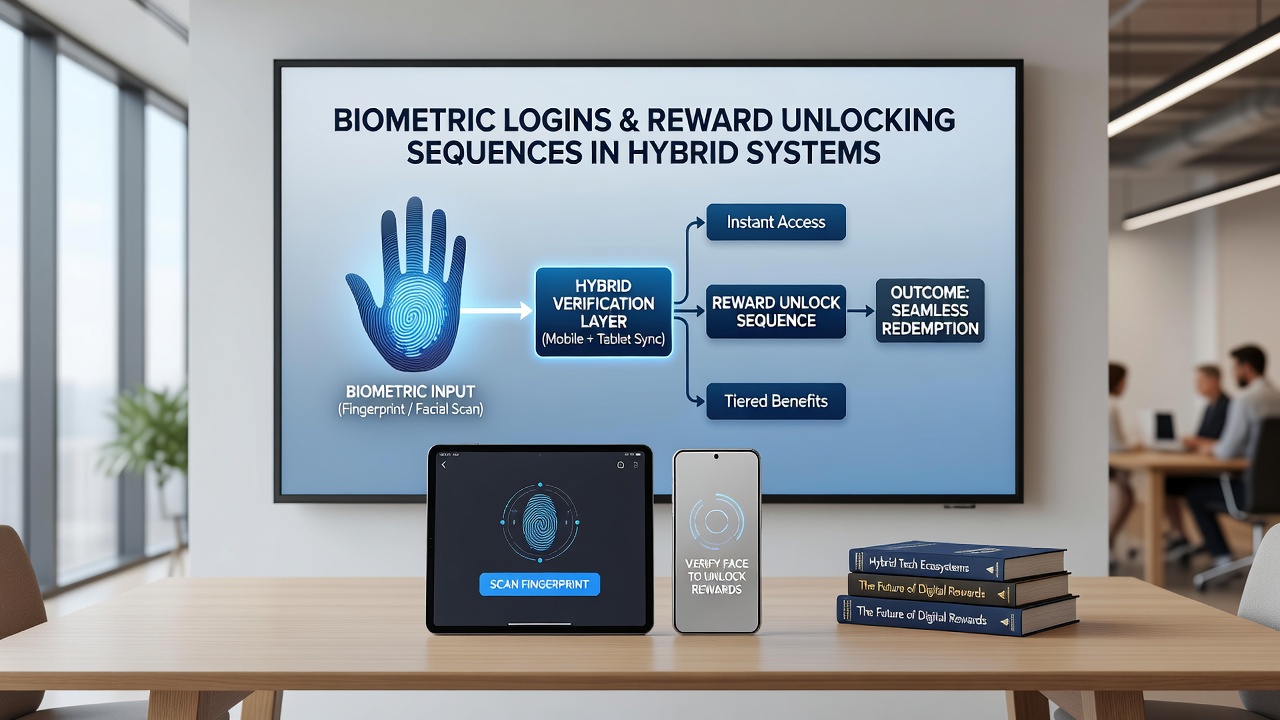
Biometric authentication methods have expanded rapidly in mobile gaming applications that combine table games with reel-based entertainment, and these technologies alter the steps players follow to access bonuses and other incentives. Mobile platforms integrate fingerprint scanning along with facial recognition to verify user identity before reward sequences activate, which reduces the number of manual steps previously required for login and claim processes. Observers note that this integration creates smoother transitions between game types because authentication occurs once and then persists across both blackjack variants and slot sessions within the same application.
Technical Integration of Biometric Systems
Hybrid applications store encrypted biometric templates locally on devices while linking them to server-side account profiles, so reward triggers activate immediately after verification completes. Developers design these systems to recognize patterns in user behavior across reel spins and table decisions, then apply the same biometric gate to unlock progressive features or multiplier bonuses. Data from platform analytics indicates that session continuity improves when authentication no longer requires separate password entry for each reward tier, allowing players to move between game categories without repeated interruptions.
Changes to Reward Activation Flows
Reward unlocking sequences now rely on a single biometric confirmation that grants access to layered incentives distributed across both table and reel modules. In reel environments, biometric approval can release free spin packages tied to volatility settings, whereas table sections use the same verification to unlock side bet options or extended play credits. Researchers tracking mobile adoption patterns report that these unified sequences shorten the time between deposit confirmation and active gameplay, particularly in applications that support both formats simultaneously.
Security Protocols and Regulatory Alignment
Industry standards require biometric data to remain isolated from payment processing pathways, which means reward sequences can proceed even while financial verification runs in parallel. Regulatory bodies in multiple jurisdictions have updated guidelines to address how these logins interact with anti-money laundering checks, and platforms adjust their sequences accordingly. A report from the Nevada Gaming Control Board outlines requirements for audit trails that document each biometric event leading to reward distribution. Those frameworks ensure that hybrid platforms maintain consistent records whether a player accesses table games or reel titles after login.
August 2026 Platform Updates
During August 2026 several operators introduced updated biometric modules that link reward pools across hybrid formats more directly. These updates allow a single facial scan to activate both reel-based loyalty multipliers and table game cashback tiers without separate menu navigation. Figures from application stores show increased download rates for versions incorporating these changes, while backend logs reveal higher completion rates for multi-stage bonus sequences. Platforms that adopted the updates early recorded measurable reductions in abandoned reward claims compared with prior versions that relied on traditional credentials.
Cross-Platform Data Patterns
Analytics collected from hybrid applications demonstrate that biometric logins influence how frequently players complete reward sequences that span both game categories. When authentication persists across sessions, users tend to engage with table elements after starting in reel formats, or vice versa, without re-verification. Studies conducted by academic teams at institutions focused on digital interaction note that these patterns hold across different device operating systems, provided the biometric hardware meets minimum security thresholds set by manufacturers.
Future Development Directions
Engineers continue refining how biometric events trigger conditional rewards based on real-time game data from both table and reel modules. Future iterations may incorporate additional sensor inputs to further streamline unlocking steps while preserving compliance with regional verification rules. Current implementations already show that unified authentication reduces friction points that once separated the two entertainment formats within single applications.
Conclusion
Biometric logins have altered the sequence architecture that governs reward access in hybrid mobile environments by consolidating verification steps and supporting continuous play across table and reel offerings. Platform operators continue to align these systems with evolving regulatory expectations while monitoring usage data that tracks sequence completion rates. The resulting structures maintain distinct game mechanics yet share a common authentication layer that affects how incentives distribute to users.