17 Aug 2026
Tribal Casino Operators Expand With New Hotel Towers Across Multiple States

Tribal casino operators in the United States have begun a coordinated push to build hotel towers at existing properties in Oklahoma, Texas, New York, and California, shifting focus from gaming floor expansions alone to integrated resort developments that capture overnight stays, conventions, dining, and entertainment revenue.
This approach converts properties that traditionally served local day visitors into destination resorts capable of drawing regional and national travelers, according to industry reports covering developments slated for 2026.
Strategic Shift Toward Non-Gaming Revenue
Operators have identified that hotel towers create multiple revenue streams beyond slot machines and table games, allowing properties to host conferences, live entertainment events, and extended-stay packages that increase overall visitor spending per trip. Data from tribal gaming operations shows non-gaming amenities often deliver higher profit margins once infrastructure costs are recovered, prompting several nations to prioritize vertical construction over horizontal gaming additions.
States with established tribal gaming compacts provide the regulatory framework for these expansions, and construction activity has accelerated as operators finalize financing and design approvals in preparation for openings throughout 2026.
Projects Underway in Oklahoma and Texas
The Choctaw Nation has allocated $140 million for a 130-room hotel tower at its Pocola Casino property, adding guest rooms, meeting space, and dining options designed to support multi-day visits from travelers crossing the Oklahoma-Arkansas border region. Construction timelines place the tower among the first to reach completion in the current cycle.
At the Kickapoo Lucky Eagle Casino in Texas, developers have broken ground on a new tower containing 252 rooms, expanding capacity for conventions and entertainment programming that previously relied on limited local lodging. The project aligns with broader efforts by Texas tribal operators to capture overnight traffic from major population centers in the southern part of the state.
New York and California Developments
In New York, the Turning Stone Resort Casino has launched a $370 million expansion that includes the Crescent Hotel, a full-service tower intended to elevate the property’s profile as a year-round destination for both gaming and non-gaming guests. The investment covers additional conference facilities and entertainment venues alongside the new accommodations.
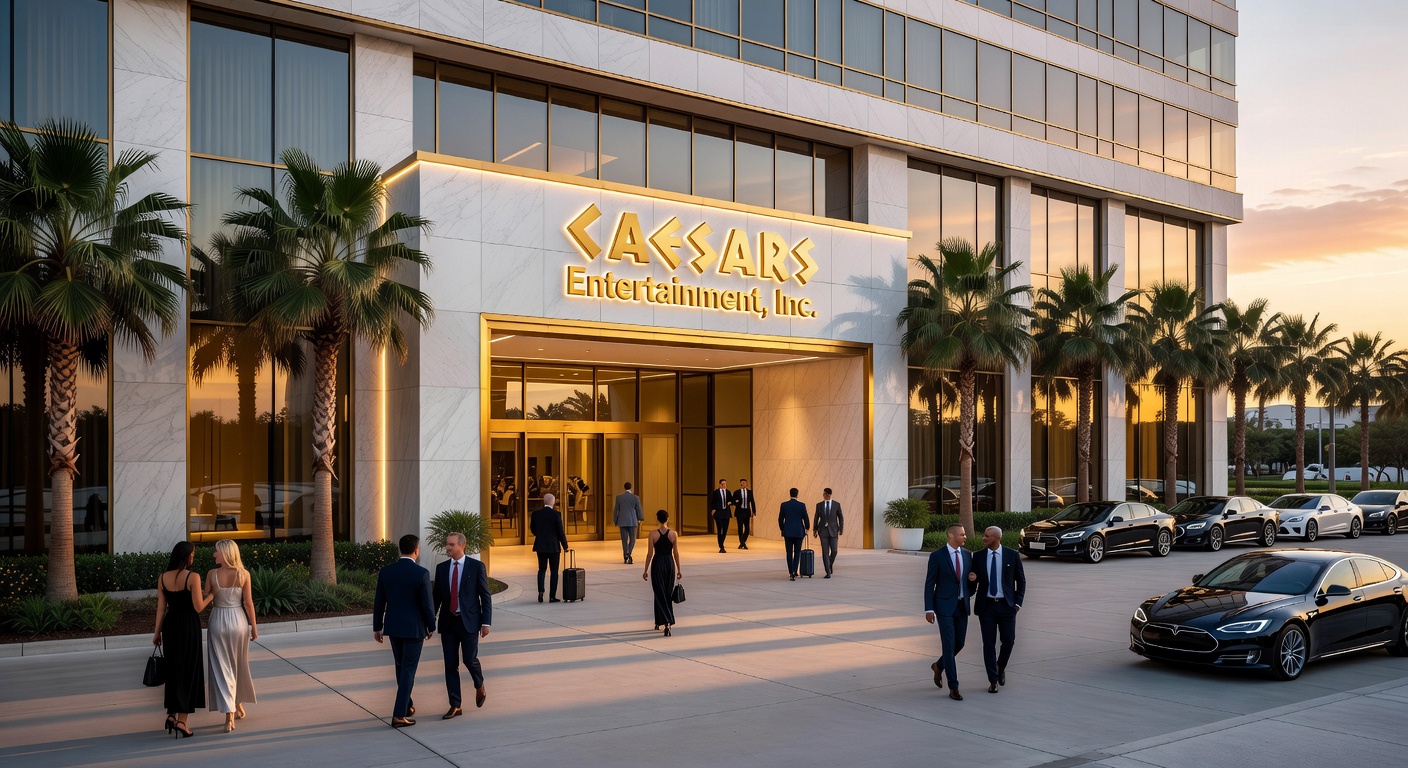
California projects mark the introduction of first-ever hotel towers at Sky River Casino and River Rock Casino, the latter undergoing rebranding as Caesars Republic Sonoma County. These additions introduce overnight options where none previously existed, enabling both properties to pursue group business and leisure travelers who currently stay elsewhere in the Sacramento and Sonoma County markets.
Impact on Local and Regional Markets
Market analysts tracking tribal gaming note that hotel inventory growth allows operators to compete more directly with commercial resorts for event bookings and leisure packages, while still maintaining the core gaming floor as an anchor attraction. Properties in all four states report preliminary interest from meeting planners who previously bypassed casinos lacking on-site lodging.
Construction activity also generates short-term employment in building trades, followed by permanent hospitality positions once towers open, contributing measurable economic activity to surrounding tribal and non-tribal communities.
Timeline and Next Steps
As of August 2026, several projects remain in active construction phases with phased openings scheduled through late 2026 and into 2027, depending on final permitting and supply-chain factors. Operators continue to refine amenity mixes, including spa facilities, expanded dining concepts, and entertainment venues, to maximize non-gaming capture once guest rooms become available.
Financing structures typically combine tribal bond issuances with existing casino cash flow, reducing reliance on external lenders while preserving sovereign control over project scope and timeline.
Conclusion
The current wave of hotel tower construction at tribal casinos in Oklahoma, Texas, New York, and California reflects a deliberate pivot toward diversified revenue that builds on existing gaming assets. Specific projects ranging from the $140 million Pocola tower to the $370 million Crescent Hotel at Turning Stone demonstrate the scale of investment underway, with first-time hotel additions at Sky River and River Rock marking new territory for those operators. Industry observers continue to monitor occupancy rates and non-gaming spend following each opening to assess long-term returns on these infrastructure commitments. Additional details appear in coverage from 500 Nations and reports issued by state gaming regulatory bodies.