20 Aug 2026
Tracing Loyalty Tier Migration Triggers Across Multi-State Digital Gaming Networks
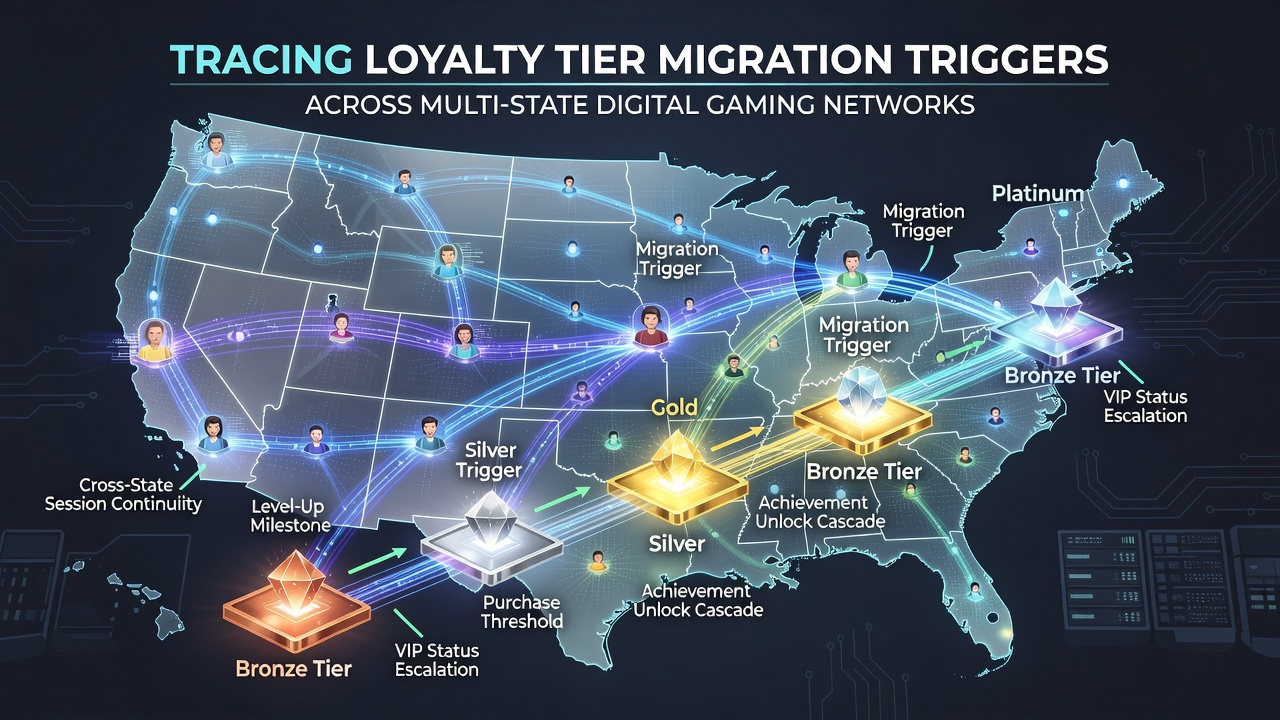
Loyalty tier migration in multi-state digital gaming networks involves players advancing or dropping between reward levels based on activity tracked across platforms in jurisdictions such as New Jersey, Pennsylvania, Michigan, and West Virginia. These networks connect through shared operators yet operate under separate regulatory frameworks that dictate how player data moves between systems. Data from industry reports shows migration often links to cumulative wager volumes, session frequency, and specific game categories rather than single events.
Core Components of Tier Systems in Cross-Border Platforms
Operators structure tiers around point accumulation where players earn credits from bets placed on slots, table games, and live dealer options. Higher tiers unlock benefits including faster withdrawal processing, exclusive promotions, and personalized game recommendations. Studies from 2025 indicate that networks spanning multiple states adjust point multipliers differently per jurisdiction to comply with local rules on bonus structures and player protections. Researchers have observed that migration accelerates when players combine activity across apps licensed in adjacent states, since operators merge data feeds from each license.
Primary Triggers Identified in Network Analytics
Analysts trace tier changes to several measurable factors. Deposit patterns rank high because repeated funding events signal sustained engagement and trigger automatic tier reviews at set thresholds. Play volume on progressive jackpot slots contributes heavily since these games generate larger point awards per dollar wagered. Session length also matters, with data indicating players who maintain consistent daily logins across state lines reach new tiers faster than those with sporadic activity confined to one jurisdiction. Behavioral loops emerge when algorithms detect shifts in game preference, such as moving from low-volatility reels to high-stakes blackjack variants, prompting tier adjustments within 24 to 48 hours.
Regulatory Influences on Data Sharing and Tracking
Each state imposes distinct requirements on player verification and data retention that affect how loyalty systems communicate across borders. New Jersey regulations emphasize real-time reporting of bonus activations, while Pennsylvania frameworks focus on responsible gaming limits that cap point accrual rates. These differences create fragmented datasets that operators must reconcile through centralized customer relationship management tools. Figures released in mid-2026 reveal that networks handling multi-state traffic experienced a 17 percent rise in tier migration events during periods when states synchronized their verification protocols. Observers note that delays in cross-border data transfers can stall tier upgrades for weeks, particularly when players split activity between mobile apps and desktop clients.
Analytical Methods Used to Map Migration Patterns
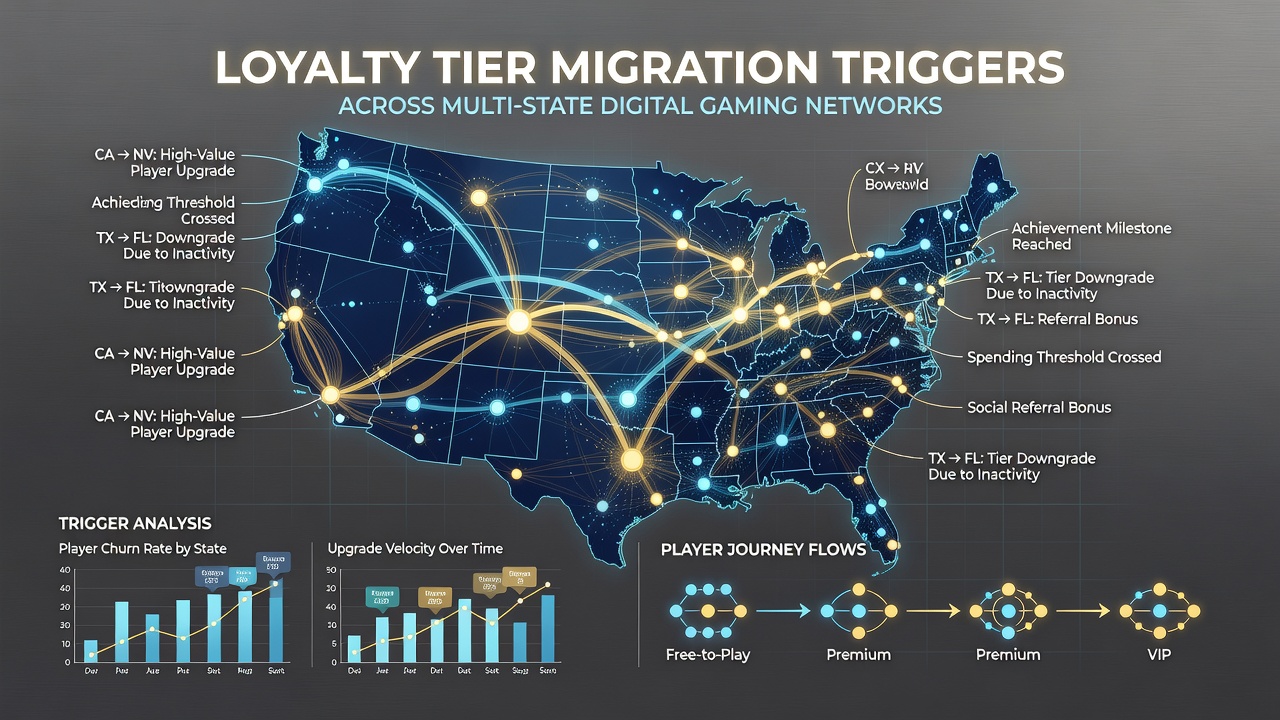
Network operators employ machine learning models trained on historical player records to predict and trace tier shifts. These models weigh variables including average bet size, game type distribution, and time-of-day activity peaks. One 2024 academic paper from researchers at the University of Nevada, Las Vegas, demonstrated that incorporating geolocation data from state-licensed apps improved prediction accuracy for tier changes by identifying when players cross jurisdictional boundaries during single sessions. American Gaming Association reports further detail how operators segment users by migration velocity to allocate retention resources more effectively. Additional techniques include cohort analysis that groups players by entry tier and tracks their progression over quarterly periods, revealing clusters where migration stalls due to regulatory caps on promotional play.
Developments Observed Through August 2026
August 2026 brought expanded data integration between networks after several states updated their iGaming reporting standards. This update allowed operators to pull unified loyalty metrics from platforms in five states simultaneously, shortening the average time to detect tier triggers. Records show migration events increased notably among players using hybrid reel and table formats on portable devices, with point thresholds for mid-tier advancement dropping in some networks due to synchronized bonus rules. External factors such as seasonal sports betting overlaps also influenced patterns, as users who combined casino and sports activity reached higher tiers at accelerated rates compared to casino-only participants.
Case Examples from Operational Networks
One documented case involved a player base active in both Michigan and Pennsylvania networks where tier migration correlated with concentrated play on live dealer roulette during evening hours. Network logs revealed that a 30 percent increase in session count over two weeks prompted automatic tier elevation for 42 percent of the cohort. Another instance tracked users who alternated between New Jersey and West Virginia apps, showing that deposit timing aligned with state-specific bonus windows drove faster progression than raw wager totals alone. These examples illustrate how operators refine trigger detection by layering state-specific regulatory constraints onto unified analytics platforms.
Conclusion
Tracing loyalty tier migration across multi-state digital gaming networks requires integration of activity metrics, regulatory variables, and algorithmic models that account for jurisdictional differences. Data collected through 2026 demonstrates consistent links between deposit frequency, game selection, and cross-border session patterns as primary drivers. Continued refinement of data-sharing protocols among states supports more precise identification of these triggers while maintaining compliance with local oversight requirements.