23 Jul 2026
Tracing Algorithmic Payout Sequencing in Progressive Slot Networks and Its Ties to Regional Payment Verification Delays on Portable Devices
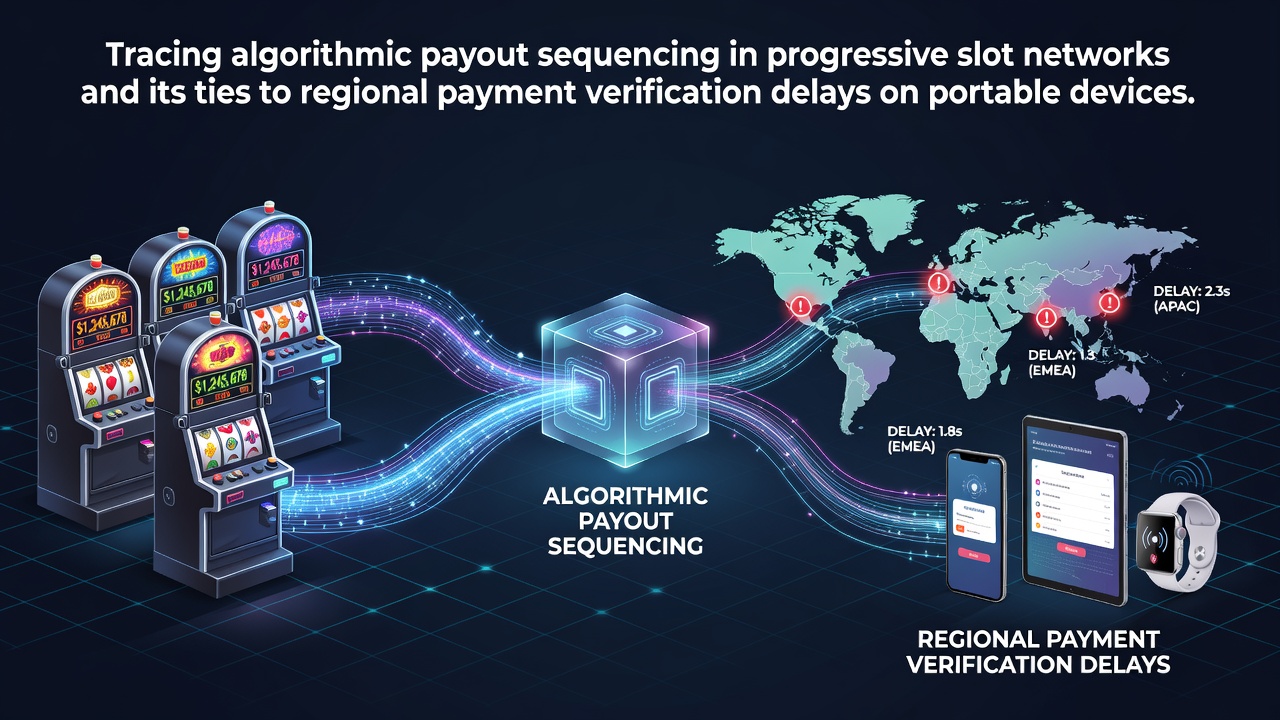
Progressive slot networks operate through linked machines that accumulate jackpots from contributions across multiple sites, and algorithmic payout sequencing determines the precise order and conditions under which those jackpots trigger and distribute funds. This process relies on centralized servers that track coin-in data in real time, apply random number generators at trigger thresholds, and sequence payments based on network priority rules established by operators. Data from mid-2026 shows these systems handling millions of transactions daily while maintaining synchronization across state lines and international borders.
Core Mechanics of Payout Sequencing Algorithms
Operators program sequencing algorithms to evaluate factors such as bet size, machine location within the network hierarchy, and accumulated pool size before releasing a progressive win. These algorithms process inputs sequentially to prevent simultaneous claims, and they incorporate timestamp verification to resolve disputes when multiple devices reach trigger conditions within milliseconds. Researchers at institutions studying gaming systems have documented how minor variations in clock synchronization across servers can shift payout order by several positions in high-volume periods.
Regional differences emerge when local regulations dictate additional checks before funds release to player accounts. In some jurisdictions, algorithms pause the sequence until external verification confirms compliance with tax withholding or age restrictions, which extends the interval between trigger and credit.
Mobile Payment Verification Processes
Portable devices introduce further layers because payment verification occurs through carrier networks, app stores, and banking APIs that each apply their own latency standards. Verification delays arise when regional banking policies require manual review of large transfers or when mobile carriers throttle data during peak hours. Figures from July 2026 indicate average verification times ranging from 1.8 seconds in optimized urban networks to over 14 seconds in areas with stricter cross-border fund protocols.
Connections Between Sequencing and Mobile Delays
Payment verification lags on portable devices directly influence algorithmic sequencing because the network must hold the jackpot allocation until the player's device confirms receipt of funds. When delays exceed predefined thresholds, the algorithm may resequence the payout to the next eligible machine in line, preserving overall network fairness. Observers note that this resequencing occurs more frequently in regions where mobile banking partners enforce additional security layers, such as biometric re-authentication or multi-factor checks tied to device location.
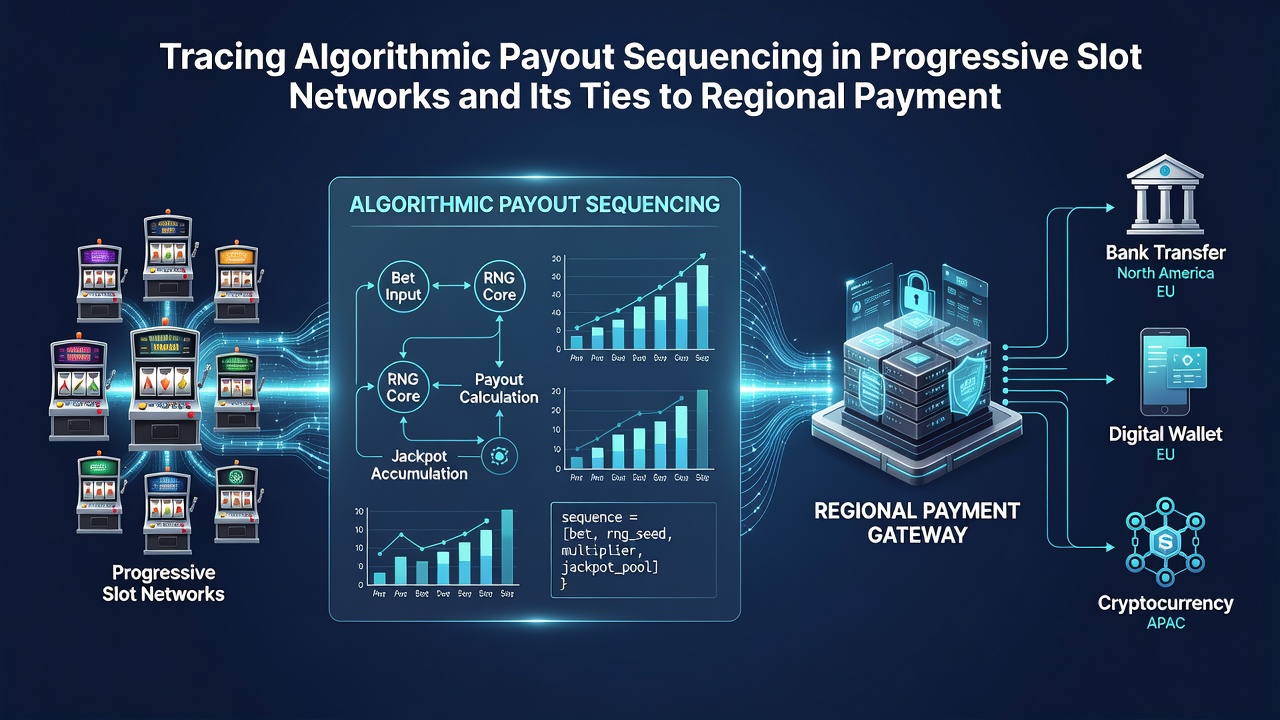
One documented case involved a multi-state progressive network where a cluster of mobile users in a single regulatory zone experienced repeated verification timeouts, causing the algorithm to shift three consecutive jackpots to land-based terminals instead. Network logs revealed the shift happened because the sequencing code treated unverified mobile claims as abandoned after 30 seconds.
Regional Variations in July 2026
By July 2026 several North American and European regulators had updated guidelines on real-time fund verification for mobile gambling applications. These updates required progressive networks to log every verification attempt with timestamp precision down to the millisecond, which increased the data load on sequencing servers. In contrast, certain Asia-Pacific markets maintained lighter verification rules that allowed faster mobile processing and fewer resequencing events.
Industry reports compiled by Nevada Gaming Control Board analysts highlight how differences in regional banking integration affect overall payout distribution patterns. Networks spanning multiple regulatory zones therefore maintain separate verification queues for each region to avoid cross-contamination of sequencing priorities.
Technical Adjustments and Network Responses
Engineers respond to persistent mobile delays by adjusting algorithmic parameters such as timeout windows and priority weighting for device types. Some networks assign lower sequence priority to mobile claims during known high-latency periods, while others implement predictive buffering that pre-approves smaller progressive tiers before full verification completes. These adjustments maintain throughput without violating regional rules on fund release.
Studies published in International Gambling Studies examine how such buffering techniques alter the statistical distribution of wins across device categories. Data collected through 2026 shows mobile users receiving a slightly lower share of top-tier progressive hits in zones with extended verification requirements compared with land-based participants in the same network.
Conclusion
Algorithmic payout sequencing in progressive slot networks remains tightly coupled to the speed and reliability of regional payment verification on portable devices. As networks expand and mobile participation grows, operators continue refining timeout rules, queue management, and cross-region synchronization to keep distribution sequences consistent with local regulations. The interplay between these technical and jurisdictional elements shapes payout outcomes for players accessing progressive systems through handheld platforms.