8 Jun 2026
The Interconnected Web of Algorithmic Personalization and Community Challenges in Virtual Slot Communities
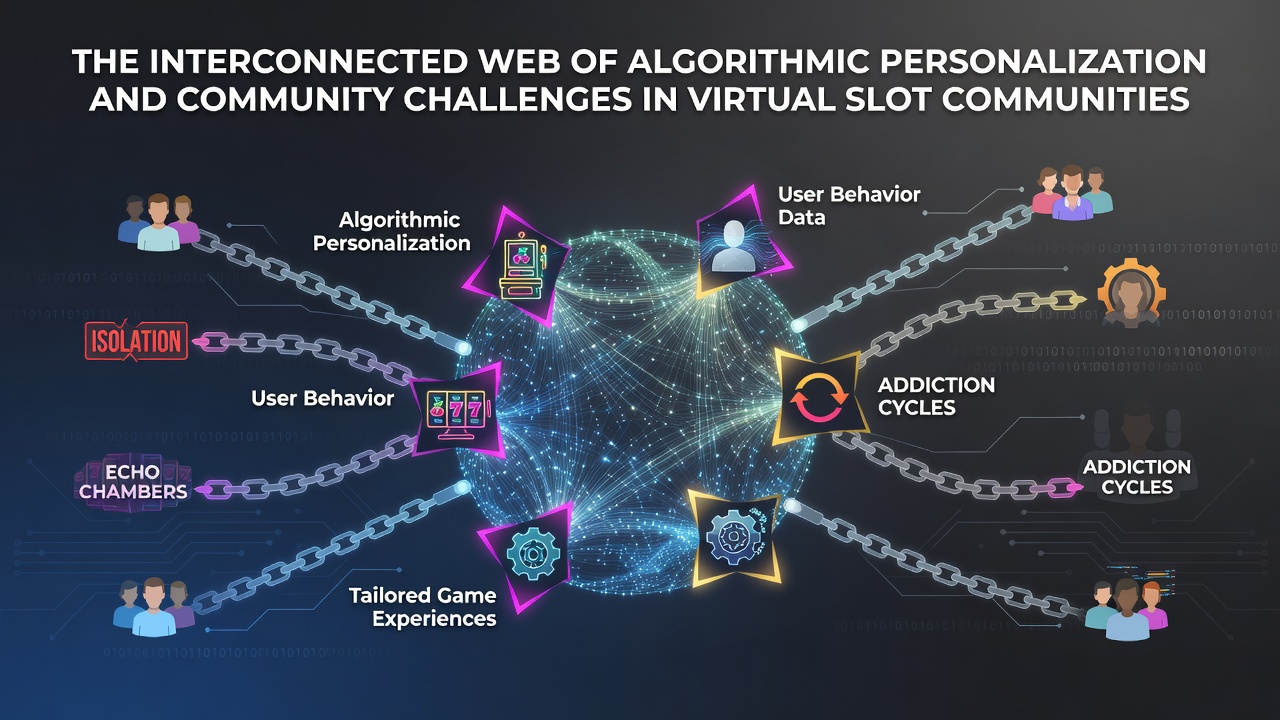
Virtual slot communities operate through layers of algorithmic systems that track player behavior, adjust game offerings, and shape social interactions in real time, while community features such as chat rooms, leaderboards, adn shared jackpot pools create environments where individual experiences intersect with collective dynamics. These platforms collect data on spin patterns, session durations, and deposit frequencies to generate tailored content that includes customized reel themes, bonus triggers, and reward structures designed to maintain engagement across user groups.
Mechanics of Algorithmic Personalization in Slot Platforms
Algorithms process inputs from user activity logs and device metadata to predict preferences, then deliver variations in game volatility, payline configurations, and promotional timing that differ from one account to another. Research indicates these systems rely on machine learning models trained on aggregated datasets that include millions of sessions across multiple jurisdictions, allowing operators to segment audiences by risk tolerance and spending velocity without direct user input. Platforms integrate these outputs into community spaces by highlighting leaderboards that reflect algorithmically boosted achievements or by routing players toward groups with similar predicted behaviors.
Data from industry monitoring shows that personalization extends to social feeds where suggested friends or discussion threads align with past gameplay metrics, creating clusters that reinforce specific play styles. Observers note that such clustering occurs because recommendation engines prioritize similarity scores derived from session metadata rather than random assignment.
Community Structures and Their Integration with Personalization Systems
Virtual slot communities typically include forums, live chat overlays, and tournament brackets that connect participants across geographic regions, yet these features run parallel to algorithmic filters that limit visibility of certain posts or events based on user profiles. Studies from academic institutions have documented how personalization influences group formation by surfacing content that matches individual retention scores, which in turn affects the topics discussed and the advice exchanged within those circles. For instance, one analysis of platform logs revealed that high-volatility players received invitations to dedicated chat channels more frequently than low-volatility users during the first half of 2026.
Regulatory updates in several markets have begun addressing transparency requirements for these systems. In June 2026, oversight bodies in multiple regions started reviewing disclosure standards for how algorithmic decisions affect community visibility and bonus distribution.
Challenges Emerging at the Intersection of Personalization and Community Dynamics
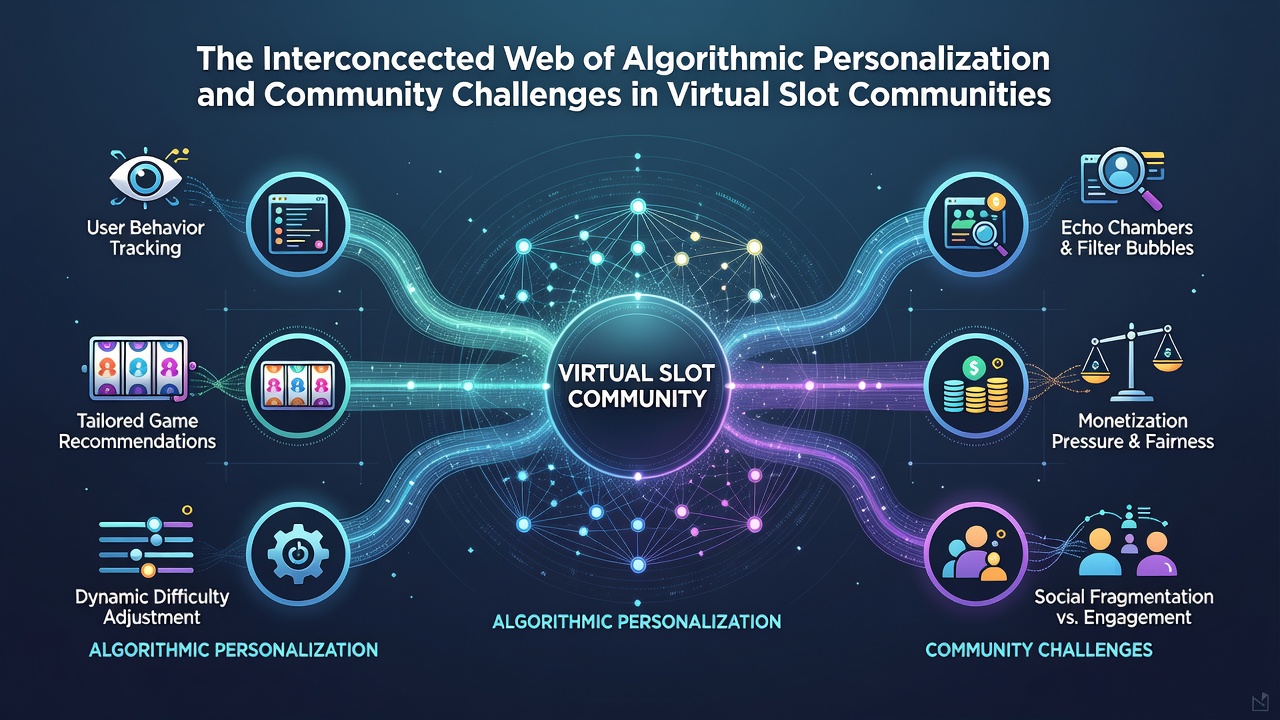
Community challenges arise when personalization creates feedback loops that narrow exposure to diverse strategies or risk profiles, leading some participants to encounter repeated reinforcement of high-intensity play patterns within their immediate social circles. Figures from research reports indicate elevated reports of perceived isolation among users whose customized feeds reduce cross-group interactions, even as total community membership numbers continue to rise. Those studying these environments have observed that shared jackpot events sometimes amplify these effects because algorithmic targeting determines which players receive advance notifications or eligibility boosts.
Additional pressures surface around fairness perceptions, as players in algorithmically defined subgroups compare outcomes that stem from different underlying parameters. External analyses link these discrepancies to variations in how platforms calibrate return-to-player percentages within personalized sessions, although aggregate data remains consistent across the broader player base. Industry organizations such as the American Gaming Association have compiled statistics showing that community-reported disputes over perceived bias increased during periods of rapid algorithmic updates in early 2026.
Regulatory and Research Responses to Interconnected Issues
Government agencies and academic groups continue to examine how personalization interacts with community features in virtual slot environments. Reports compiled by the Responsible Gambling Council in Canada highlight correlations between segmented community access and changes in self-exclusion request patterns, while similar data collection efforts appear in Australian regulatory filings. These sources emphasize the need for clearer audit trails that document how recommendation engines influence both individual play and group-level discussions.
Researchers at various universities have begun longitudinal studies that track player cohorts over multiple months, mapping shifts in community participation alongside changes in personalized game parameters. Preliminary outputs suggest that certain clusters experience accelerated session lengths when community events coincide with algorithmically timed promotions, whereas other groups show different retention curves under comparable conditions.
Conclusion
The relationship between algorithmic personalization and virtual slot communities continues to evolve through ongoing technological refinements and regulatory scrutiny, with data collection practices shaping both individual experiences and collective interactions in measurable ways. Monitoring efforts across jurisdictions provide ongoing snapshots of these dynamics as platforms adjust their systems in response to compliance requirements and usage trends observed through mid-2026.