6 Jun 2026
Regulatory shifts in cross-border fund verification protocols shaping bonus activation sequences for handheld blackjack formats across emerging markets
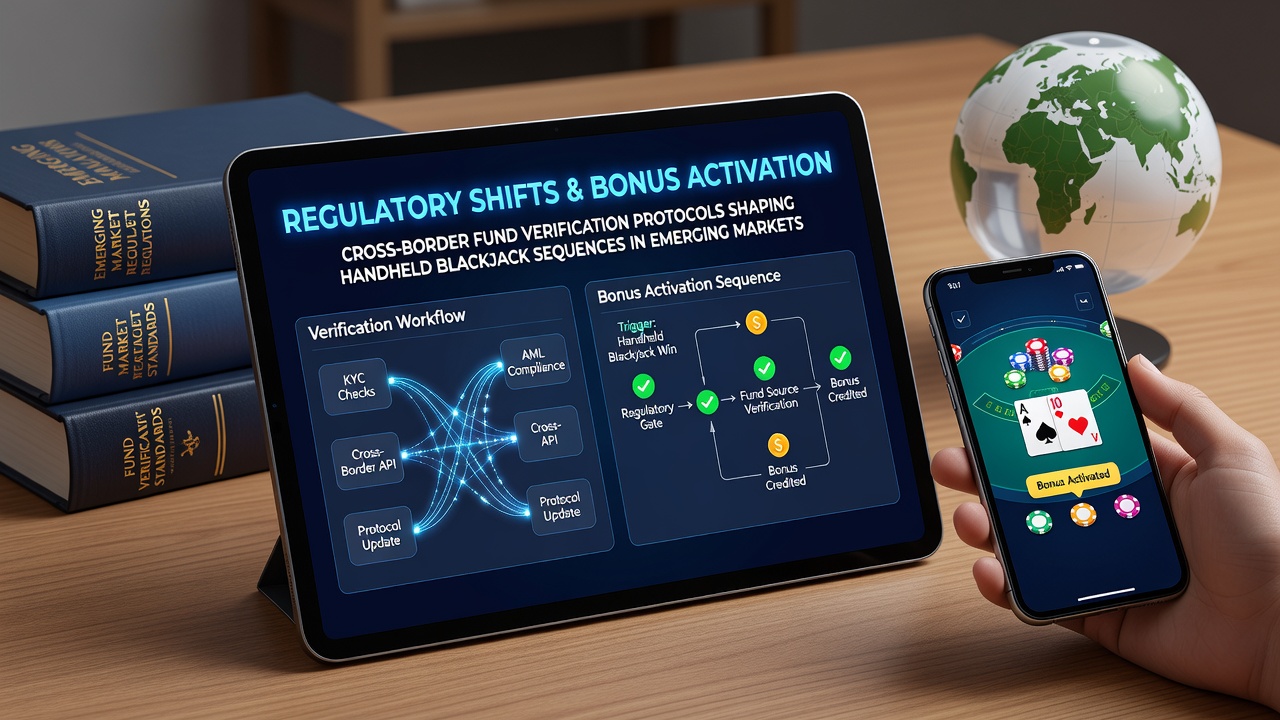
Regulatory authorities across multiple jurisdictions have introduced updated verification requirements for funds moving between borders, and these changes directly influence how bonus sequences activate within handheld blackjack applications in developing economies. Data from industry tracking services shows that verification layers now incorporate real-time identity checks combined with transaction monitoring that extends beyond traditional domestic standards, which forces operators to adjust activation timelines for promotional credits on mobile blackjack tables.
Core elements of updated verification frameworks
Observers note that new protocols emphasize multi-factor authentication for cross-border transfers, where operators must confirm source of funds through linked banking records and sometimes third-party data providers before any bonus can trigger in a handheld session. Researchers at regional financial oversight bodies have documented cases in Southeast Asia and Latin America where delays in verification extend bonus release windows from minutes to several hours, altering player engagement patterns during live blackjack rounds on portable devices. These requirements stem from efforts to align local rules with international anti-money laundering guidelines, yet implementation varies by market maturity.
Effects on bonus sequences in mobile blackjack environments
Bonus activation sequences in handheld blackjack formats rely on seamless fund clearance, but updated verification rules insert additional checkpoints that interrupt the flow from deposit to playable credit. Studies conducted by gaming analytics firms indicate that in markets such as Brazil and parts of sub-Saharan Africa, players encounter staged activations where initial deposits clear faster than bonus portions because the latter undergo stricter cross-border scrutiny. Operators respond by programming conditional sequences that hold bonus funds until verification completes, which maintains compliance while preserving the promotional structure that encourages continued play on touch-screen blackjack variants.
What's interesting is how these protocols interact with existing mobile payment rails. Many emerging market users rely on digital wallets that route funds internationally, and verification systems now flag certain wallet-to-wallet movements for manual review when they cross regulatory thresholds. Figures from transaction processors reveal that such flags occur in approximately 12 to 18 percent of bonus-related deposits during peak hours, prompting developers to build fallback activation paths that notify users of pending status without canceling the blackjack session outright.
Regional adaptations in emerging markets
Authorities in South Asia have synchronized verification databases with neighboring countries to speed cross-border checks for gaming operators, whereas Latin American regulators have focused on standardized reporting formats that allow quicker clearance once initial documents receive approval. According to reports issued by the European Banking Authority on analogous compliance models, these regional approaches reduce average verification time by up to 40 percent when data sharing agreements function effectively. In handheld blackjack contexts, faster clearance translates into bonus credits appearing mid-session rather than forcing players to exit and restart applications.
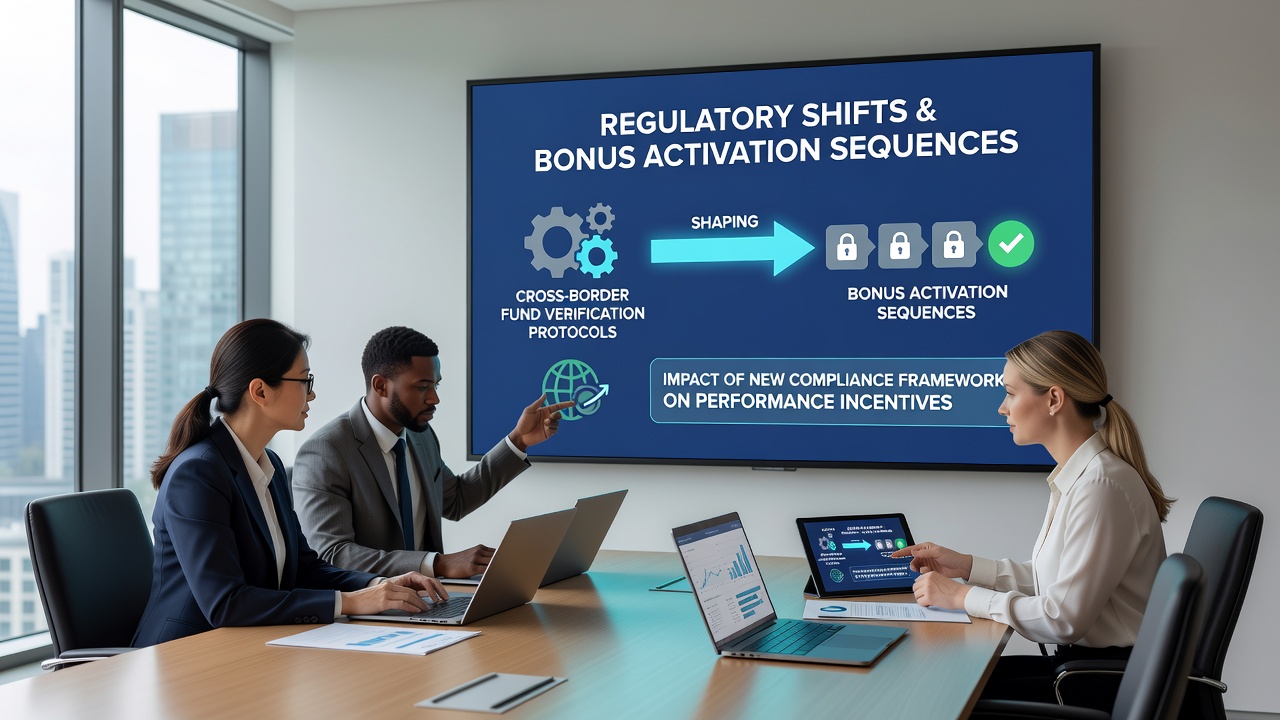
One case examined by compliance consultants involved an operator serving multiple African jurisdictions where a single deposit triggered sequential verifications across two regulatory zones. The bonus activation sequence paused after the first jurisdiction cleared the funds but resumed only after the second jurisdiction completed its review, resulting in a staggered credit release that extended total activation time beyond standard domestic benchmarks. Such patterns have led developers to embed region-specific logic into blackjack applications so that users receive accurate status indicators without exposing underlying verification mechanics.
June 2026 implementation milestones
By June 2026 several emerging market regulators completed phased rollouts of enhanced verification modules that integrate biometric confirmation alongside traditional document checks. These modules apply specifically to bonus-eligible transactions above certain thresholds, which affects how handheld blackjack platforms sequence promotional unlocks. Industry data compiled through mid-2026 shows measurable increases in successful first-time activations once operators adopted updated APIs that communicate directly with new regulatory portals. The adjustments have also prompted revisions to user interface flows, where progress bars now reflect verification stages rather than generic loading screens.
Academic analyses from institutions studying digital finance in developing economies highlight that these verification shifts coincide with broader efforts to formalize gaming revenue streams. One research paper released in early 2026 examined transaction logs from three markets and found that compliant bonus sequences correlated with higher retention rates during the initial weeks after regulatory updates took effect. Operators who pre-tested their activation logic against the new protocols reported fewer interrupted sessions compared with those adapting after the June deadlines.
Conclusion
Cross-border fund verification protocols continue to evolve in ways that reshape bonus activation sequences for handheld blackjack formats throughout emerging markets. Operators maintain compliance by embedding adaptive sequencing into mobile applications while regulators refine data-sharing mechanisms to balance security with operational efficiency. The landscape in June 2026 reflects ongoing coordination between financial oversight entities and gaming platforms, where verification checkpoints determine the precise timing and availability of promotional credits during live play.