13 Jun 2026
Regional Banking Policies Shaping Incentive Structures in Mobile Gaming Apps

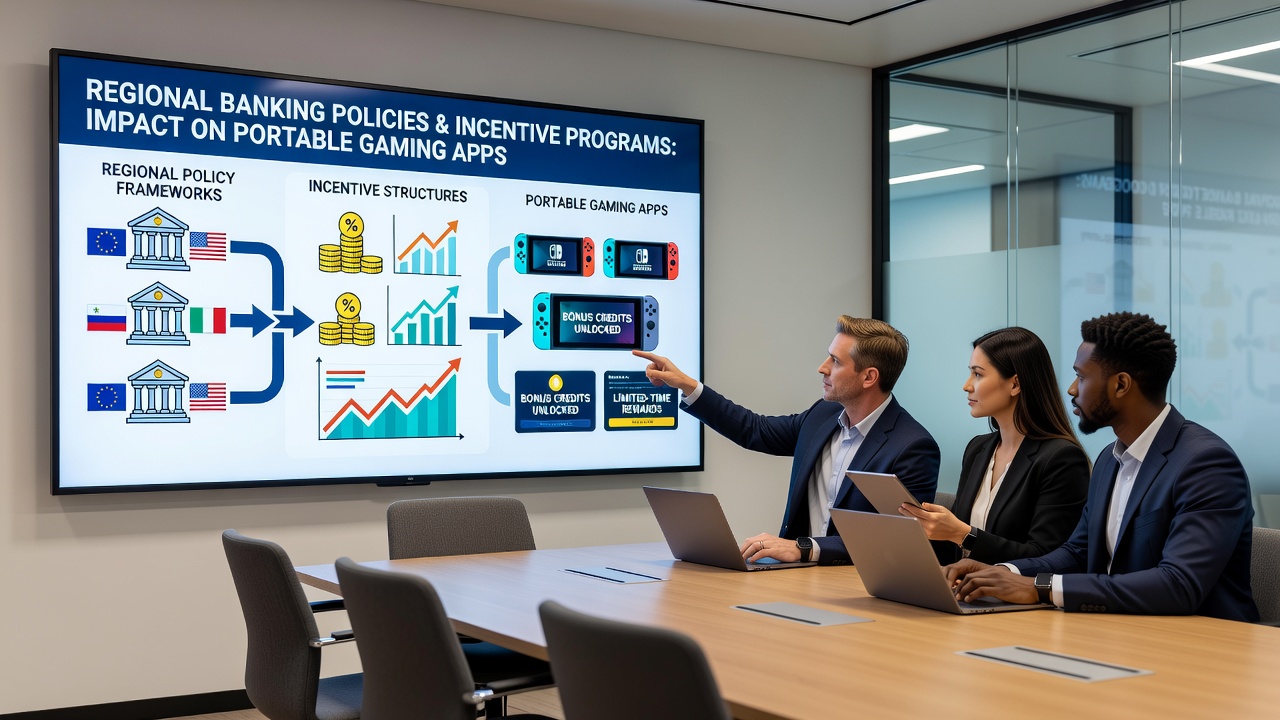
Regional banking policies continue to reshape how developers structure incentive programs within portable gaming applications, as payment processing rules, transaction monitoring requirements, and cross-border fund transfer protocols vary significantly across jurisdictions. These frameworks determine the feasibility of offering virtual currency rewards, subscription discounts, and limited-time bonuses that rely on seamless in-app purchase mechanisms.
North American Regulatory Frameworks and Payment Processing
US banking regulations enforced through the Federal Reserve and state-level financial authorities impose strict know-your-customer standards that affect how mobile game publishers handle microtransactions and reward distributions. Data from industry reports shows that compliance costs have led developers to adjust bonus thresholds in applications targeting American users, often extending playtime requirements before rewards activate. Canadian provincial policies add another layer where banking institutions must verify high-volume gaming transactions, which in turn influences the timing and scale of incentive rollouts during peak periods like June 2026 when summer update cycles typically launch.
European Approaches to Transaction Oversight
European Central Bank guidelines on digital payments and anti-money laundering directives require gaming platforms to integrate enhanced verification steps for users accessing incentive programs across EU member states. Observers note that these measures have prompted app developers to segment reward eligibility by region, creating distinct bonus pools that account for differing fee structures imposed by local banks. Research indicates that such segmentation helps maintain operational margins while still delivering competitive offers, particularly in markets where real-time payment rails like SEPA Instant operate under heightened scrutiny.
Asia-Pacific Variations in Banking Integration
Banking policies across Asia-Pacific nations demonstrate even greater diversity, with Singapore's Monetary Authority and Australia's financial regulators applying distinct rules around digital wallet linkages that directly impact how portable gaming applications deliver daily login bonuses or achievement-based rewards. Studies from regional trade groups reveal that restrictions on certain payment methods have encouraged developers to partner with local fintech providers, thereby altering the mechanics of incentive programs to favor in-app earned currency over purchased bundles. In June 2026 several platforms introduced region-specific loyalty tiers that reflect these banking realities, allowing users in supported markets to unlock extended play sessions through verified transactions.
Impact on Cross-Border Incentive Delivery
Cross-border fund verification protocols create additional friction for portable gaming applications that operate globally, since banks in one region may flag transactions originating from incentive redemptions tied to another jurisdiction. Figures from payment industry analyses show increased processing times in such cases, which developers address by implementing hold periods or alternative reward pathways that do not require immediate monetary conversion. Those who've examined these patterns find that applications often rely on server-side adjustments to balance compliance needs with user expectations for instant gratification in bonus systems.
Future Adjustments in Policy Landscapes
Emerging updates to regional banking rules continue to prompt reevaluation of incentive program architectures, particularly as new reporting standards for digital asset flows gain traction in multiple markets. Industry organizations have documented cases where gaming companies revised their reward algorithms to align with evolving bank partner requirements, ensuring sustained access to popular features like streak multipliers and limited-event currencies. Experts tracking these developments highlight the role of automated compliance tools in helping smaller studios navigate the complexities without disrupting user engagement metrics.
Conclusion
Regional banking policies exert measurable influence on the design and execution of incentive programs across portable gaming applications through their effects on payment infrastructure, verification processes, and transaction costs. Developers respond by tailoring offers to local conditions while maintaining core engagement loops that keep players returning. As regulatory environments evolve, the interplay between banking frameworks and gaming incentives will likely drive further innovation in how rewards are structured and delivered worldwide.