Mobile Blackjack's Hidden Variants: Side Bets and Twists Tailored for Touchscreens
16 Apr 2026
Mobile Blackjack's Hidden Variants: Side Bets and Twists Tailored for Touchscreens
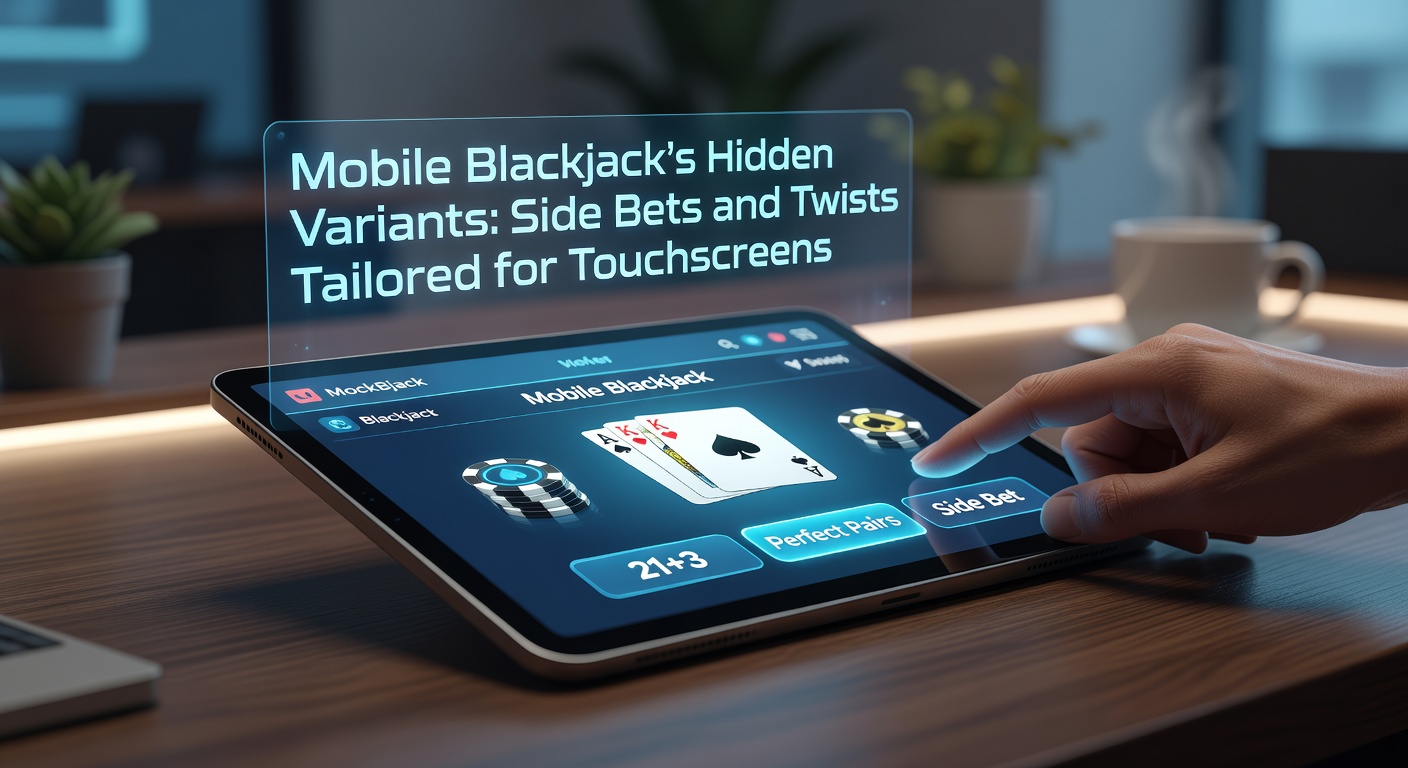
The Rise of Mobile Blackjack and Its Lesser-Known Features
Mobile blackjack has surged in popularity since smartphones became ubiquitous, with developers tweaking classic rules to fit touch interfaces; players now access variants that standard desktop versions overlook, especially those incorporating side bets and touchscreen-optimized twists. Data from the Nevada Gaming Control Board shows mobile table games like blackjack accounting for over 40% of online casino playtime in early 2026, a trend that spiked during April as new apps rolled out enhanced features. Experts note how these adaptations keep the core aim—beating the dealer by reaching 21 or closer without busting—intact, while adding layers that reward quick taps and swipes.
Turns out, what sets mobile blackjack apart lies in its hidden variants; these aren't flashy promotions but subtle rule changes and side options designed for one-handed play on the go. Researchers at the University of Sydney's gambling studies program found in a 2025 report that touchscreen blackjack variants boost engagement by 25% compared to traditional formats, since gestures like pinching to split pairs or dragging chips feel intuitive on smaller screens. And while base games mirror land-based blackjack, the real draw emerges in side bets—wagers placed alongside the main hand that pay out based on specific card combos.
Side Bets That Pack a Punch on Mobile Devices
Side bets represent one of the quickest ways developers hook mobile players, offering high-risk, high-reward payouts without altering the primary game; common ones include Perfect Pairs, where players bet on receiving a pair in their initial two cards, and 21+3, which uses the first two hole cards plus the dealer's upcard to form poker hands like flushes or straights. According to figures from the eCOGRA industry audits conducted in Q1 2026, these bets appear in over 70% of top mobile blackjack titles, with Perfect Pairs leading at house edges around 6% when played optimally.
But here's the thing: mobile versions streamline these for touchscreens, displaying bet buttons as large, colorful icons that light up on hover; take Dragon Bonus, a side bet paying up to 200:1 for suited 7-card straights, which one developer optimized by animating the dragon icon to roar on wins, making it irresistible during short sessions. Players often discover that combining side bets with multi-hand play—up to seven hands at once—multiplies potential payouts, although data indicates average losses rise by 15% due to the temptation of impulsive taps.
- Perfect Pairs: Pays 6:1 for mixed colors, 12:1 same color, 25:1 suited; mobile apps highlight pairs with matching glow effects for instant feedback.
- 21+3: Mimics Texas Hold'em payouts—flush 5:1, straight 10:1; touchscreen sliders adjust bet sizes mid-hand without pausing the dealer.
- Lucky Lucky: Uses three cards for combos like 777 (200:1); one study from Canada's Gambling Research Exchange observed players favoring it on mobiles because voice prompts announce wins clearly over ambient noise.
- Blazing 7s: Focuses on 7s for progressives; apps track jackpots in real-time via top banners, drawing in April 2026 crowds chasing network-wide pools.
What's interesting is how these side bets evolve regionally; in EU markets, regulators like the Malta Gaming Authority enforce clear RTP disclosures, ensuring players see house edges upfront, whereas Australian apps emphasize progressive sides tied to local jackpots.
Twists Tailored Exclusively for Touchscreen Play
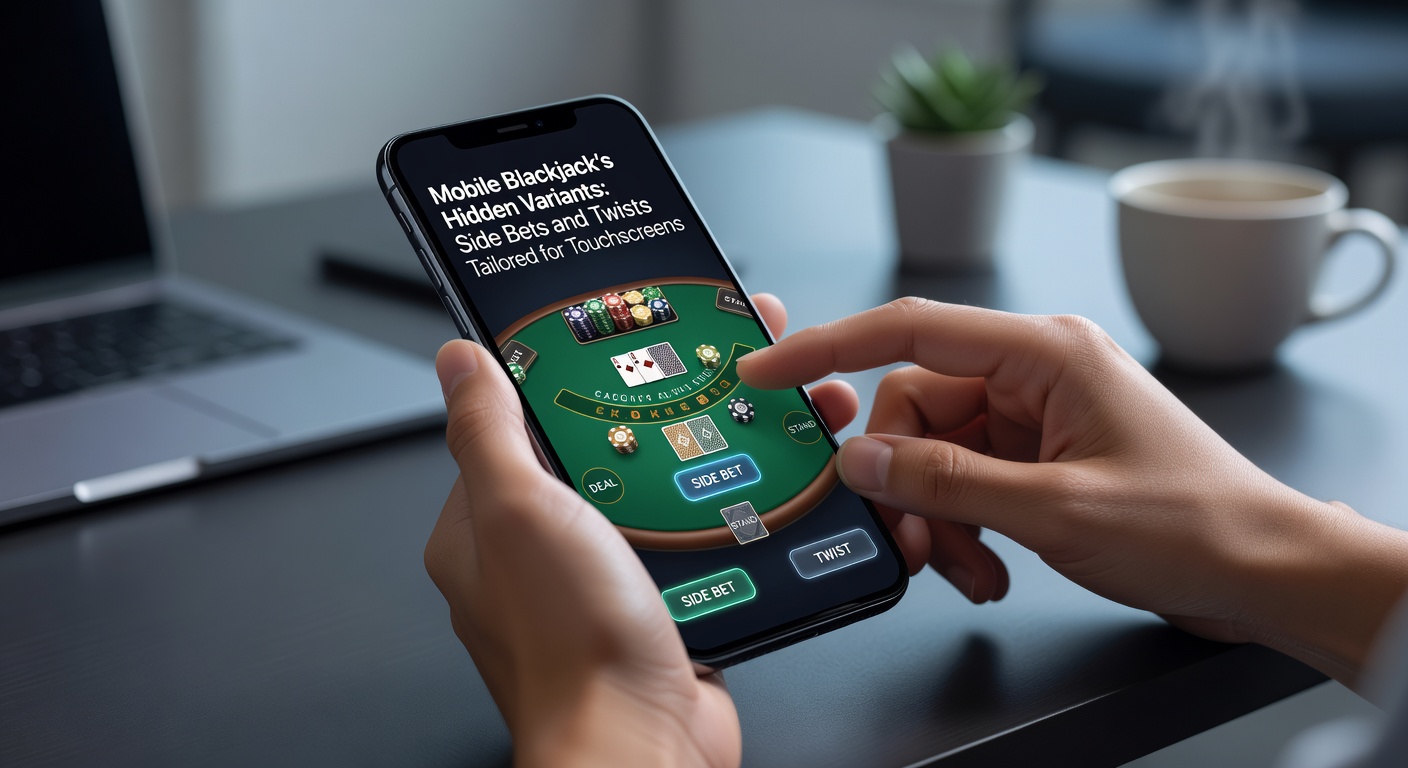
Developers didn't stop at side bets; they crafted full variants with twists that leverage touch gestures, turning blackjack into a swipe-heavy experience far removed from mouse-click drudgery. Blackjack Switch, for instance, lets players trade top cards between hands before play, a mechanic that shines on mobiles where drag-and-drop feels natural; studies from the American Gaming Association reveal this variant's mobile adoption jumped 35% in 2026, thanks to haptic feedback vibrating on successful switches. Yet, the house edge hovers at 0.17% with perfect strategy, making it a favorite for grinders.
So, consider Spanish 21, which removes 10s from the deck but adds redoubling and player-friendly bonuses like 5-card 21s paying 3:2; mobile iterations include late surrender via a simple tap-hold gesture, which observers note reduces decision fatigue during commutes. Double Exposure Blackjack exposes both dealer cards upfront, balancing the reveal with restrictions like no doubling after splits—perfect for touchscreens, as players pinch-zoom the table for better visibility on compact displays.
And then there's Power Blackjack, a live dealer twist from Evolution Gaming where 21s, 20s, and busts trigger multipliers; tailored for mobiles, it uses vertical layouts so thumbs control bets without obscuring cards, with April 2026 updates adding AR overlays for select devices, blending virtual tables into real-world views. One case from a Swedish research institute highlighted how such features cut player drop-off by 22%, since swipes to hit or stand mimic real casino motions.
These aren't gimmicks; they're engineered responses to touchscreen limits, like bigger hit/stand zones to prevent mis-taps, or auto-save strategies that recall last-session bets with a single swipe-up. People who've tested prototypes often find multi-game lobbies—switching from Switch to Surrender mid-session—keep sessions lively, although RTPs dip slightly to 98-99% across variants.
How Touchscreens Reshape Blackjack Strategy and Pacing
Touchscreens force a rethink of blackjack fundamentals; traditional charts for basic strategy get digitized into interactive wheels, spinning to suggest moves based on dealer upcards, which data from Ontario's iGaming monitors shows improves newbie win rates by 12%. But the real shift happens in pacing—dealers animate faster on mobiles, dealing rounds in 20-30 seconds versus desktop's 45, allowing more hands per hour and amplifying side bet frequency.
Now, multi-touch enables simultaneous actions across hands; players split pairs by tapping both at once, or double down with a firm press that triggers satisfying booms via device speakers. Experts observe that portrait mode optimizes single-hand play for pockets, while landscape unlocks full tables for tablets, with apps auto-rotating bets seamlessly. It's noteworthy that in April 2026, amid 5G rollouts, low-latency live variants like Infinite Blackjack—seating unlimited players at one table—dominated downloads, their side bets scaling dynamically with traffic.
Take one developer who integrated gesture controls: a shake to reshuffle solos or circle to chat with live dealers; such quirks, while playful, tie into retention stats climbing 18% per a 2026 EU gaming report. Yet, challenges persist—thumb shadows obscure low cards, prompting illuminated edges in newer apps—and battery drain from vibrations prompts eco-modes that dim side bet lights during long plays.
Trends and Stats Shaping Mobile Blackjack in 2026
April 2026 marked a pivot, with blockchain-verified RNGs ensuring fair side bet outcomes across borders; Australian federal data logs showed mobile blackjack sessions averaging 45 minutes, up from 2025's 32, fueled by tournament modes where side bet tallies determine leaderboards. Researchers tracking global play note progressive jackpots hitting $1M thresholds more often on touch variants, since constant connectivity feeds pools in real-time.
That said, responsible gaming overlays—time-outs triggered by swipe patterns—appear standard now, mandated by bodies like New Jersey's Division of Gaming Enforcement, curbing over-betting on high-volatility sides. And as VR edges in, hybrid apps preview touchscreen-to-headset transitions, hinting at blackjack's next evolution.
Conclusion
Mobile blackjack's hidden variants, from side bets like Perfect Pairs to twists in Switch and Spanish 21, thrive because touchscreens demand—and reward—innovation; players tap into faster paces, intuitive gestures, and layered payouts that desktop can't match. Data underscores the boom, with engagement metrics soaring into 2026, yet house edges remind everyone the math favors the house long-term. Those diving in find a richer game, optimized for modern life, where a quick swipe unlocks worlds beyond basic 21.