20 Jun 2026
How jurisdictional banking protocols shape incentive distribution patterns in digital reel systems
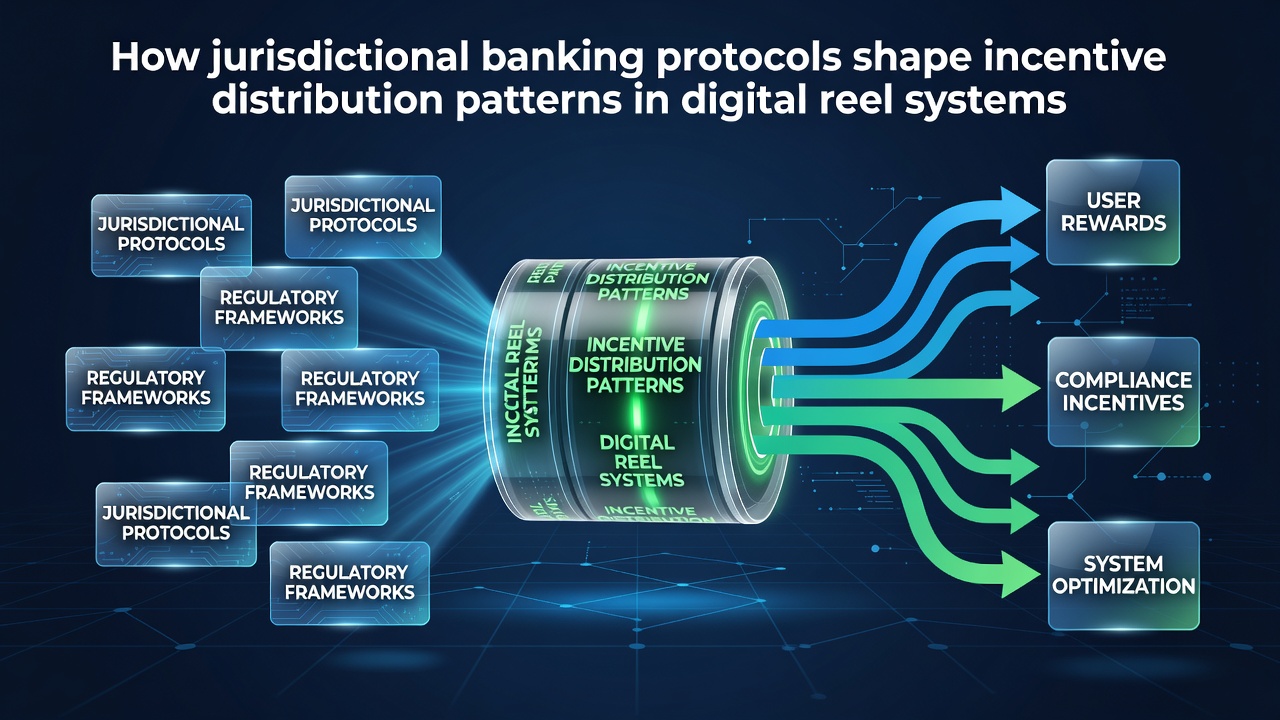
Digital reel systems operate within frameworks where banking protocols from different jurisdictions determine the flow and timing of player incentives, and these rules create distinct distribution patterns that operators must navigate across borders. Regulatory bodies enforce varying requirements on fund verification, transaction speed, and bonus eligibility, which in turn affect how free spins, deposit matches, and loyalty rewards reach users in mobile and online environments.
Data from industry reports shows that operators adjust incentive schedules based on the strictest applicable rules when serving players from multiple regions, and this leads to staggered release patterns where some users receive bonuses immediately while others encounter delays tied to cross-border compliance checks. In June 2026, several platforms implemented updated verification layers following new guidance from Australian transaction reporting authorities, which altered how progressive rewards activate for accounts linked to certain payment corridors.
Core Elements of Jurisdictional Banking Protocols
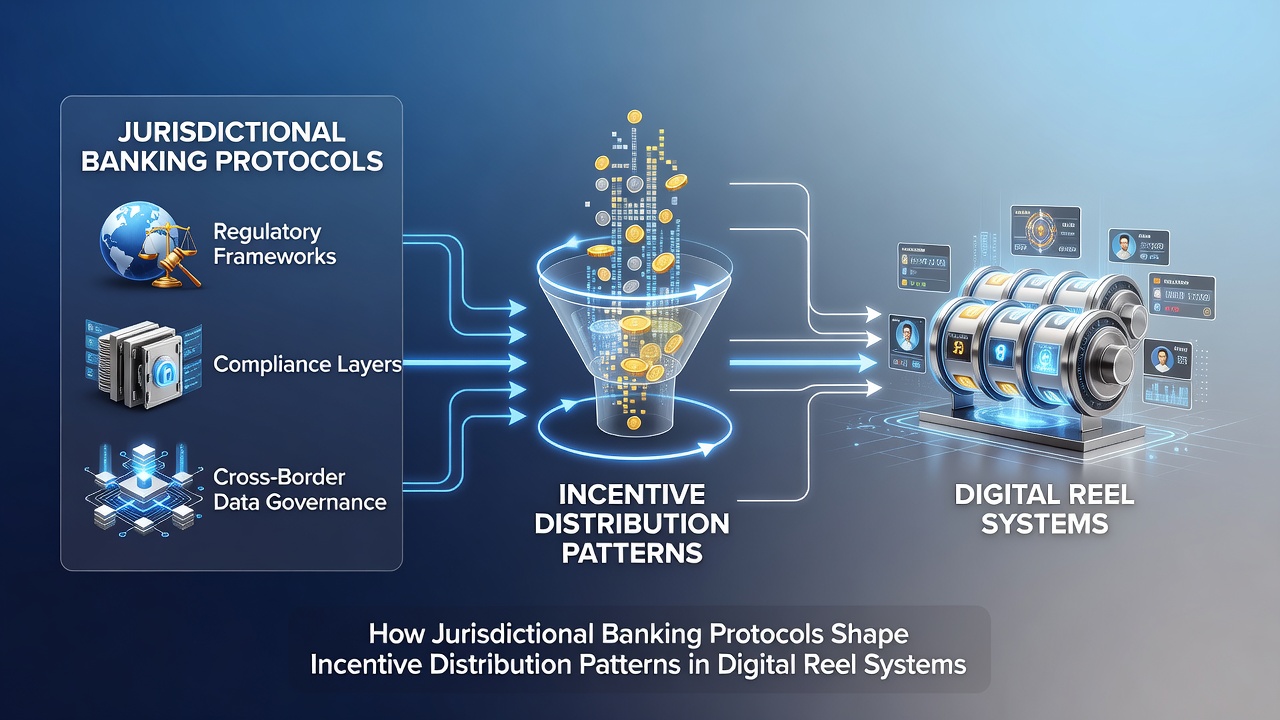
Banking protocols in gaming contexts typically cover anti-money laundering verification steps, source-of-funds declarations, and restrictions on rapid fund movements between accounts, and these elements intersect directly with incentive systems because bonuses often require cleared deposits before activation. Observers note that jurisdictions with mandatory 24-hour cooling periods between transactions force operators to design incentive structures that release rewards in phases rather than as single lump sums.
European payment service directives, for instance, require enhanced due diligence for larger incentive redemptions, while certain North American state frameworks tie bonus unlocking to real-time bank confirmations through approved processors. These differences produce measurable variations in how frequently players in one market versus another complete the steps needed to access reel bonuses.
Distribution Patterns Shaped by Regional Rules
Patterns emerge when protocols limit the number of incentive activations per account within a given period or mandate geographic tagging of funds, and operators respond by segmenting player pools according to the banking rules that apply to their location. Research from gaming analytics firms indicates that regions with stringent same-day settlement requirements see higher rates of partial bonus releases, where players receive a fraction of the incentive upfront and the remainder after additional verification.
Take one operator that adjusted its global digital reel network in early 2026 after Canadian banking guidelines on digital wallet transfers tightened, and the change resulted in players from that market experiencing longer windows between deposit and bonus credit compared with users in jurisdictions allowing faster interbank movement. Such adjustments create ripple effects on session lengths and engagement metrics because players adapt their play to the new timing structures.
Case Examples from Different Markets
Operators serving Australian players must align incentive distribution with AUSTRAC reporting thresholds, which means larger bonus pools often trigger manual review processes that delay activation by several hours or days, whereas platforms focused on certain Asian markets face rules that prioritize rapid small-transaction approvals and therefore permit more frequent micro-incentives. One study released through the European Gaming and Betting Association tracked how these variances affect reward velocity across platforms.
Similar dynamics appear in Canadian provinces where provincial banking integration standards require explicit player consent for each incentive tier, and this consent step inserts an additional layer that slows distribution relative to markets without such mandates. Figures from compliance logs reveal that operators maintaining unified backend systems still produce regionally distinct payout rhythms because the front-end incentive engines read and apply local banking flags automatically.
Technical Implementation and Data Flows
Backend systems incorporate jurisdiction-specific modules that tag player accounts with applicable banking rules at registration, and these tags then govern the sequence of incentive checks before any reward posts to the reel balance. When a player crosses from one regulatory zone to another through account migration or VPN detection, the system re-evaluates the applicable protocols and may hold pending bonuses until new verification completes.
Turns out that machine learning models used for fraud detection further refine these patterns by predicting which incentive distributions are likely to trigger compliance flags, allowing preemptive segmentation that keeps distribution timelines within acceptable ranges for each jurisdiction. Industry data indicates this predictive layer has reduced compliance-related holds by measurable percentages in multi-region deployments during the first half of 2026.
Conclusion
Jurisdictional banking protocols continue to define the operational boundaries within which digital reel incentive systems function, and the resulting distribution patterns reflect the cumulative effect of verification timelines, fund movement limits, and reporting obligations across regions. Operators that maintain flexible architecture can accommodate these variations while preserving consistent player experiences within each market's constraints, and ongoing regulatory updates ensure these patterns evolve in response to new banking requirements.