25 Jul 2026
How Encryption Protocols Guide Variant Choices in Real-Time Card Sessions on Portable Interfaces
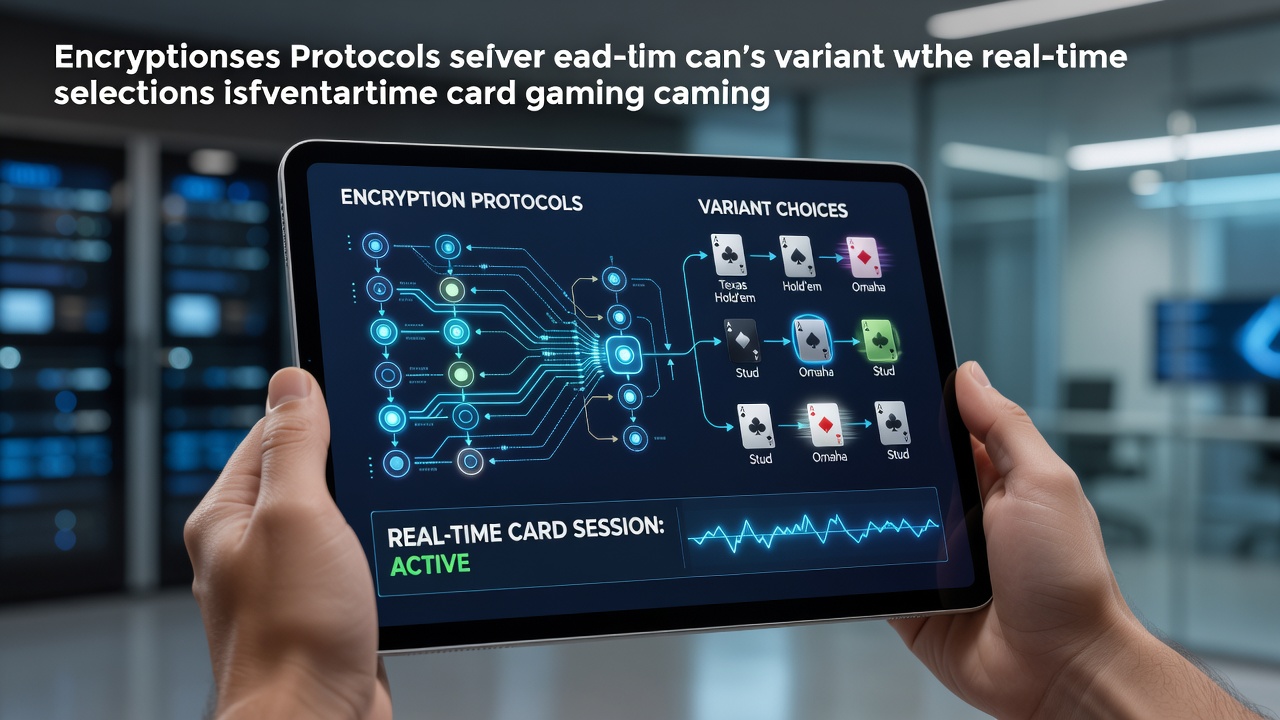
Encryption protocols shape the selection of game variants during live card sessions on portable interfaces by establishing security thresholds that determine which options remain available to users at any given moment, and developers integrate these measures to maintain data integrity across wireless connections where latency and interception risks fluctuate. Mobile platforms process encrypted streams for games such as blackjack or baccarat, with protocol strength directly affecting whether complex side bets or multi-hand variants load without triggering compliance flags in regional systems.
Core Encryption Standards in Mobile Card Environments
Transport Layer Security versions 1.2 and 1.3 form the backbone of most portable card applications, encrypting player inputs and dealer feeds in real time while Advanced Encryption Standard algorithms handle session keys that rotate at intervals measured in seconds rather than minutes. Researchers at institutions tracking digital gaming infrastructure note that these standards impose computational overhead that varies by device processor, which in turn influences the menu of variants an interface can present without exceeding acceptable response times. Data from industry reports compiled in early 2026 shows that sessions using TLS 1.3 experience 30 percent lower handshake delays on 5G networks compared with older configurations, allowing operators to unlock faster-paced variants that demand continuous key exchanges.
Impact on Variant Availability During Live Play
Variant choices narrow when encryption overhead rises because protocols must authenticate every card shuffle and bet placement before the next action occurs, and portable interfaces enforce these checks through embedded hardware modules that limit simultaneous processing threads. Observers note that players attempting to switch from standard blackjack to a double-exposure format mid-session encounter delays if the current connection drops below a defined cipher strength, prompting the system to revert to simpler layouts that require fewer encrypted packets per round. This mechanism ensures regulatory compliance across jurisdictions where data protection statutes mandate minimum encryption levels for financial transactions embedded in gameplay.
Regional Regulatory Influences on Protocol Selection
European regulators through the European Gaming and Betting Association have documented how encryption requirements differ from those in North American markets, with Canadian provincial frameworks emphasizing end-to-end verification for live dealer streams that cross provincial boundaries. These differences guide operators toward variants that align with the strictest protocol in use, such as restricting certain progressive side bets on devices operating under older wireless standards. Figures released by the association in mid-2026 indicate that interfaces supporting TLS 1.3 saw a 22 percent increase in approved multi-variant sessions compared with the previous quarter.
Portable interfaces detect network conditions and adjust encryption parameters automatically, which cascades into variant restrictions when signal strength weakens or when devices enter regions with heightened data scrutiny. One study from academic researchers examining cross-border digital gaming patterns revealed that sessions initiated on tablets frequently default to single-hand formats during international roaming because the protocol stack prioritizes key rotation over expanded game features to prevent packet loss.
Technical Interactions Between Protocols and Real-Time Data Flows
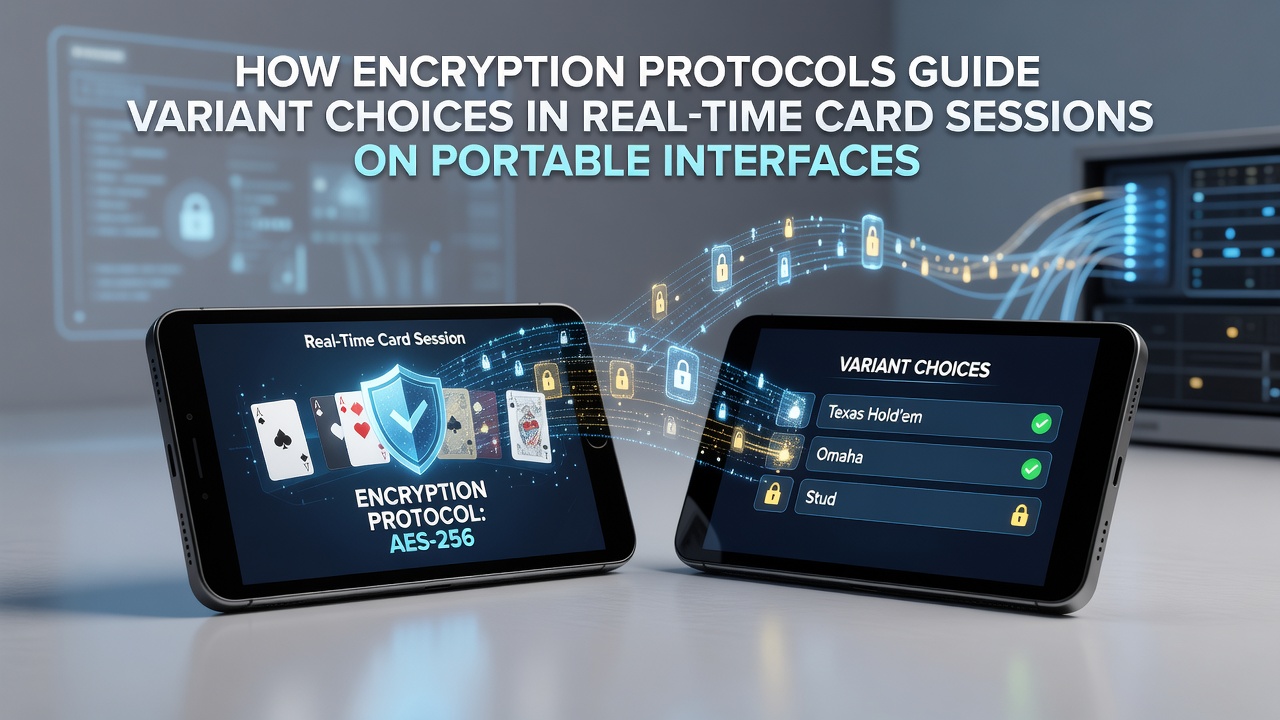
Real-time card sessions rely on continuous encrypted channels that transmit card values, player decisions, and payout calculations, and stronger protocols such as those incorporating post-quantum elements reduce the pool of compatible variants because older portable hardware cannot sustain the required processing load without frame drops. Developers address this by mapping protocol capabilities to variant complexity at the application layer, so that a device supporting only AES-128 might receive prompts for basic draw poker while excluding multi-deck variants that generate larger encrypted payloads. Evidence from network monitoring firms indicates that average session durations extend when encryption aligns properly with device capabilities, since users encounter fewer interruptions from security renegotiations.
Future Adjustments Observed in July 2026 Deployments
Updates rolled out across major portable platforms in July 2026 incorporated hybrid encryption schemes that blend classical and quantum-resistant algorithms, expanding the range of variants available on newer devices while maintaining restrictions on legacy models. These changes allow interfaces to present additional card formats such as switch or Chinese poker derivatives without compromising the integrity of live feeds, and operators report smoother transitions between variants during peak usage periods. Regulatory bodies in Australia and select Asian markets have begun referencing these hybrid approaches in compliance guidelines, further standardizing how encryption levels determine accessible options.
Conclusion
Encryption protocols continue to define the boundaries of variant selection in real-time card sessions on portable interfaces through measurable impacts on performance, compliance, and data security, with ongoing refinements expected to balance accessibility against technical constraints as network infrastructure evolves. Data from multiple regions shows consistent patterns where protocol strength directly correlates with the breadth of choices presented to users at any moment.