13 Jul 2026
Fertitta's Bold Caesars Bid Triggers Fresh Las Vegas Investment Surge
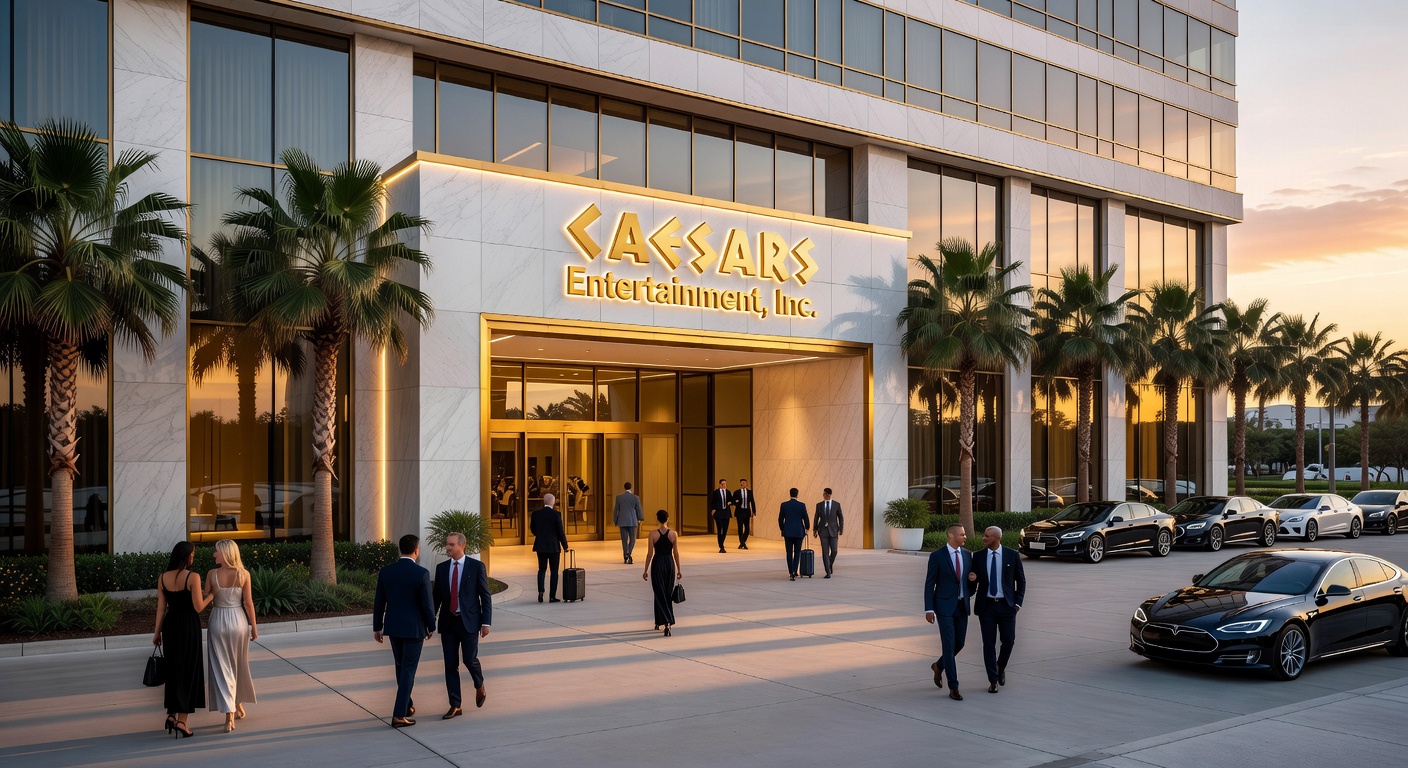
 The recent sequence of events began when billionaire Tilman Fertitta submitted an offer valued at $17.6 billion to take Caesars Entertainment private, an action that positioned the longtime casino operator at the center of major ownership changes along the Las Vegas Strip. Observers noted the proposal arrived during a period of active consolidation talks among major gaming companies, and it highlighted Fertitta's continued interest in expanding his footprint in established resort markets. Less than a week later, media mogul Barry Diller's People Inc. announced a larger commitment tied to Las Vegas properties, an escalation that drew attention to shifting capital flows within the sector. Reports indicated the move by People Inc. exceeded the scale of the initial Fertitta proposal in total valuation terms, which placed additional pressure on existing Caesars stakeholders to evaluate competing structures.
Details of the Fertitta Proposal
Fertitta's offer targeted full privatization of Caesars Entertainment through a combination of equity and debt financing, a structure that would remove the company from public markets if completed. The $17.6 billion figure encompassed both outstanding shares and assumed liabilities, according to filings referenced in industry briefings. Casino operators who have followed Fertitta's prior acquisitions observed that this bid aligned with his pattern of pursuing integrated resort assets in high-traffic destinations.
The proposal surfaced amid broader discussions about ownership transitions at several Strip properties, where private equity groups have increased their involvement over recent quarters. Data from the Nevada Gaming Control Board showed steady revenue growth through the first half of 2026, which provided context for why such large-scale bids emerged at this time. Those tracking transaction timelines noted that a standard go-shop period would allow other parties to submit superior offers before any deal locked in.
People Inc. Enters With Larger Commitment
Barry Diller's People Inc. followed quickly with its own arrangement focused on Las Vegas assets, an action that expanded the pool of potential buyers interested in the same portfolio. The scale of this second bet surpassed the Fertitta valuation in aggregate dollars committed, which prompted analysts to reassess how multiple investors viewed long-term demand for Strip real estate and gaming operations. Industry associations such as the American Gaming Association tracked similar patterns in capital deployment across resort markets during the prior year.
People Inc. structured its involvement around future development rights and operational synergies rather than an outright privatization attempt, which distinguished the approach from the earlier bid. Casino executives who reviewed comparable deals pointed out that this structure preserved certain public reporting elements while injecting fresh capital into expansion plans. The timing placed both proposals within days of each other, creating a compressed window for negotiations that market participants described as unusually active.
Shifts Among Strip Operators
These back-to-back announcements underscored evolving strategies among companies that operate multiple properties along the Las Vegas Strip, where ownership changes have accelerated since the start of 2026. Several firms adjusted their capital allocation models after reviewing the competing offers, while others explored joint ventures that could distribute risk across larger investor groups. Academic research from the University of Nevada, Las Vegas gaming studies program documented how such transactions influence employment patterns and supplier contracts in the regional economy.
Market data released in early July 2026 indicated that visitor spending remained resilient despite ownership uncertainties, which supported continued interest from outside investors. The sequence also drew attention to how media and entertainment conglomerates like People Inc. now evaluate gaming real estate alongside traditional content assets, a crossover that has gained traction in recent transaction filings.
Regulatory and Market Context
Nevada regulatory bodies reviewed both proposals under existing gaming licensing frameworks, a process that requires background checks and financial fitness assessments before any transfer of control. The compressed timeline between the two announcements created overlapping review periods, which regulatory staff managed through standard procedures applied in prior multi-bidder scenarios. External observers from the European Casino Association noted parallel consolidation trends in other jurisdictions, although the Las Vegas market retained distinct scale advantages.
Financial disclosures tied to the offers revealed that financing packages included commitments from multiple institutional lenders, which spread exposure across traditional banking channels and alternative investment vehicles. This approach mirrored structures used in earlier privatization efforts within the sector, where debt markets absorbed significant portions of transaction value.
Conclusion
The dual proposals from Fertitta and People Inc. have placed Caesars Entertainment and broader Las Vegas operations under renewed scrutiny as July 2026 progresses, with stakeholders evaluating timelines for any final agreements. The events illustrate how rapid succession of investment moves can reshape competitive dynamics among Strip operators without altering day-to-day operations at individual properties. Further updates will depend on responses during the open review periods and any additional bids that surface before deadlines close.