22 Jun 2026
Exploring Synchronization Patterns Between Virtual Dealer Interfaces and Real-Time Transaction Verifications Across Multi-Device Table Gaming Setups
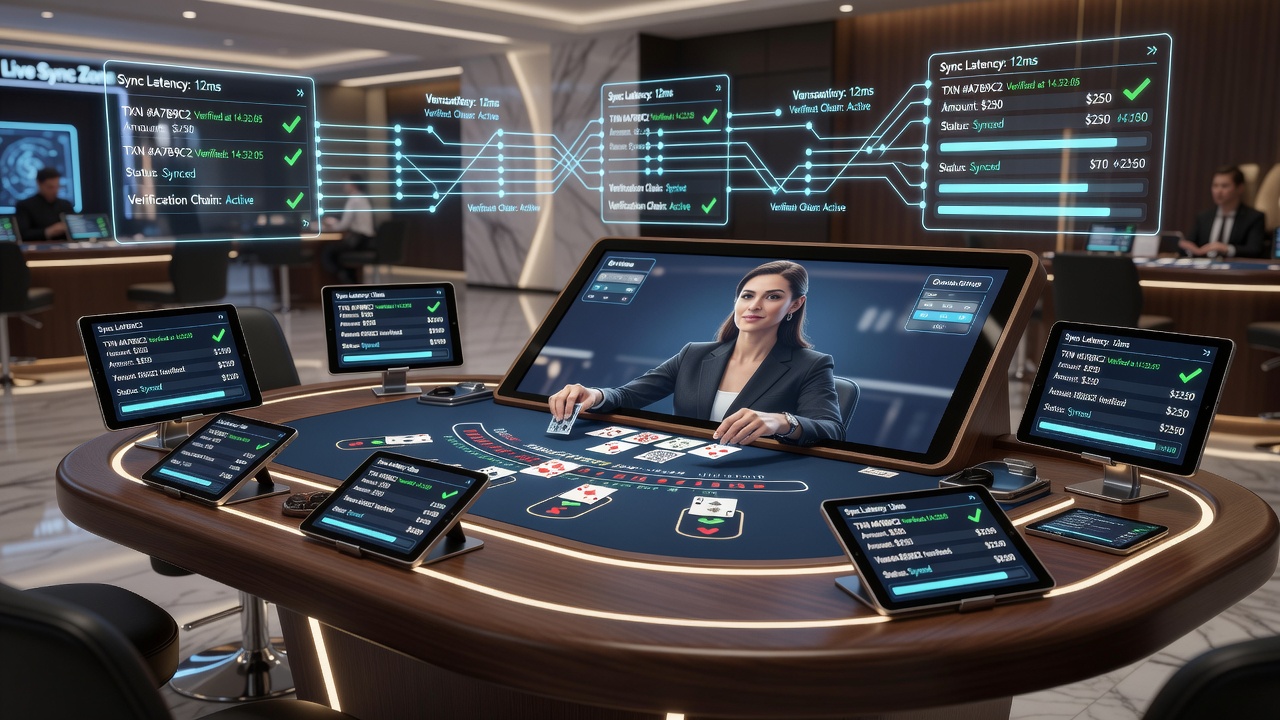
Virtual dealer interfaces in live table gaming environments operate through layered software architectures that coordinate video streams, game logic, and player inputs while real-time transaction verifications handle fund movements, bet placements, and payout calculations simultaneously across connected devices, and observers note that these systems must maintain alignment to prevent discrepancies in session data or balance updates.
Core Components of Virtual Dealer Systems
Virtual dealer interfaces typically rely on WebRTC protocols for low-latency video delivery combined with API endpoints that push game state changes to connected clients, whereas transaction verification layers use encrypted ledgers and token-based authentication to confirm each action before it registers on the central server. Data from platform operators shows that synchronization occurs through timestamped event queues that match dealer actions with corresponding financial entries, and researchers have documented latency tolerances under 150 milliseconds in stable network conditions to avoid desync issues during multi-player rounds.
Transaction Verification Mechanisms
Real-time verification processes authenticate deposits, withdrawals, and in-game wagers by cross-referencing player accounts against regulatory compliance databases, while multi-device setups introduce additional variables such as session handoffs between smartphones, tablets, and desktop browsers. According to reports from the Nevada Gaming Control Board, verification engines must reconcile state changes across these endpoints without interrupting ongoing dealer rounds, and figures reveal that successful implementations reduce failed transaction rates by integrating heartbeat signals that ping device status every few seconds.
Multi-Device Synchronization Challenges
Table gaming setups spanning several devices require consistent state propagation so that a player switching from mobile to desktop sees the same card distribution and balance figures, and synchronization patterns often follow a master-slave model where the primary server dictates authoritative game outcomes. Industry analyses indicate that conflicts arise during network interruptions when one device receives a delayed verification response, prompting rollback procedures that restore previous states without player intervention. What's interesting here is how developers address these patterns through distributed consensus algorithms that prioritize transaction integrity over speed in high-stakes environments.
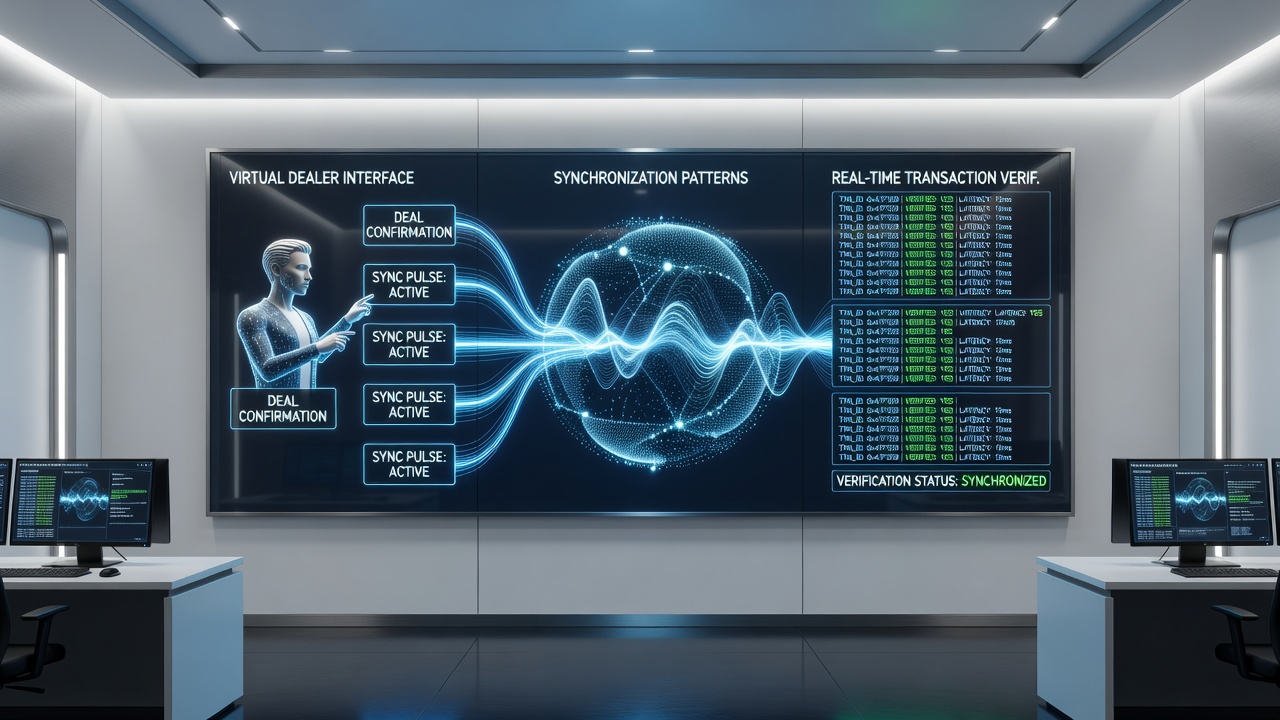
Patterns observed in operational data from June 2026 deployments highlight the use of edge computing nodes positioned near player regions to shorten verification loops, and these nodes cache temporary transaction tokens until full reconciliation with the central ledger completes. Observers note that such architectures support seamless device transitions during live blackjack or roulette sessions, where the dealer interface continues uninterrupted while the player's local view updates via push notifications.
Patterns in Cross-Platform Data Flow
Event logging systems capture every dealer action alongside its corresponding transaction record, creating audit trails that regulatory bodies review for compliance, whereas synchronization failures typically manifest as mismatched timestamps or duplicate entries that automated scripts flag for review. Research from the University of Nevada, Reno gaming technology labs demonstrates that pattern recognition models can predict likely desync points based on device type combinations and network jitter measurements, allowing preemptive adjustments before issues reach players. And data collected across European operators shows similar trends when sessions involve both iOS and Android clients connected to the same virtual table.
Integration with Regulatory Standards
Operators align synchronization protocols with standards set by bodies such as iGaming Ontario and the Australian Communications and Media Authority, which require verifiable audit logs for all financial movements tied to game events. These requirements drive the adoption of immutable timestamp chains that link each virtual dealer decision directly to its transaction verification record, and compliance reports from mid-2026 confirm that platforms using these chains experience fewer reconciliation disputes during routine inspections.
Conclusion
Synchronization patterns between virtual dealer interfaces and real-time transaction verifications continue to evolve as multi-device table gaming expands, with technical implementations focusing on low-latency event matching and robust rollback capabilities. Platform data indicates steady improvements in cross-device consistency, and ongoing refinements support broader adoption across regulated markets without compromising session continuity or financial accuracy.