27 Jun 2026
Exploring Gesture Recognition Technologies and Their Integration into Portable Gaming Applications for Table-Based Activities
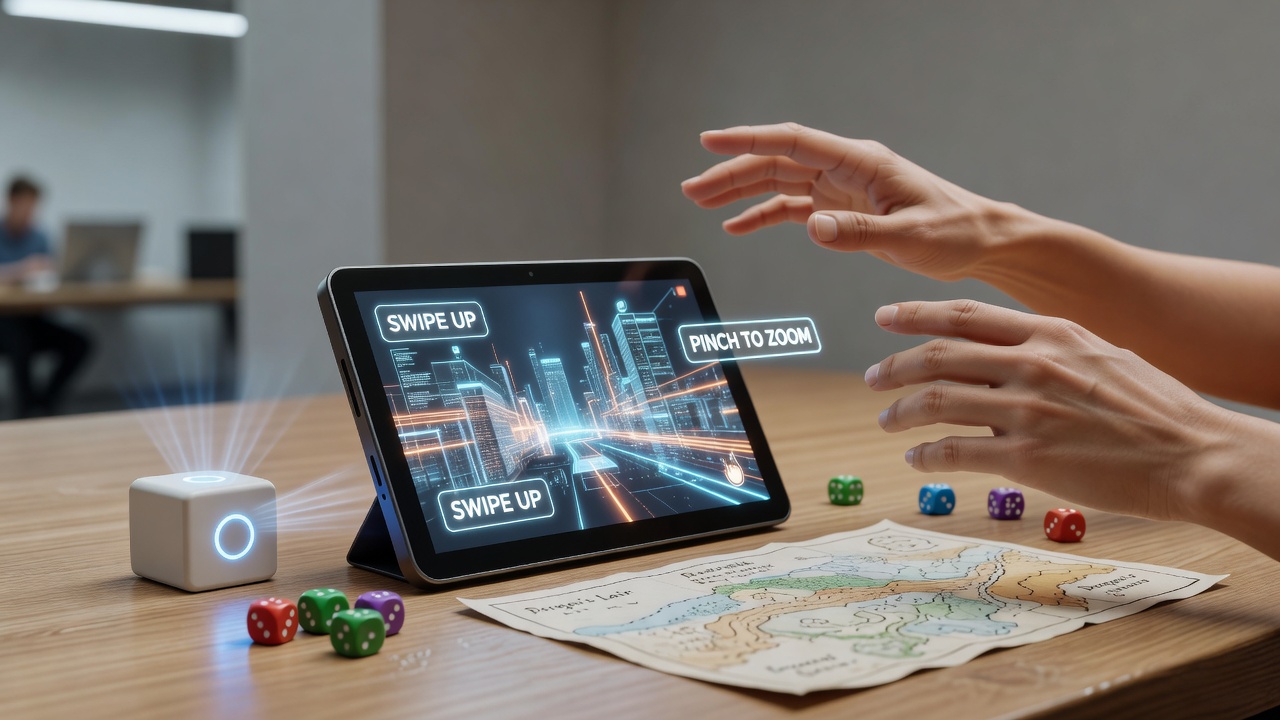
Gesture recognition technologies have evolved significantly over the past decade, enabling users to interact with portable devices through natural hand movements rather than traditional touch inputs alone, and this shift has opened new possibilities for table-based gaming applications on tablets and similar hardware. Researchers at institutions across North America and Europe have documented how computer vision algorithms combined with device sensors can track finger positions, palm orientations, and swipe patterns in real time, allowing game mechanics to mimic physical board game actions more closely than ever before.
Core Components of Gesture Recognition Systems
Modern portable devices incorporate multiple layers of hardware and software that work together to interpret gestures accurately, including front-facing cameras, depth sensors, and machine learning models trained on extensive datasets of human movements. Data from these components feeds into processing units that distinguish between intentional game commands and accidental motions, with studies from the University of Toronto indicating improved accuracy rates above 92 percent in controlled testing environments as of early 2026. Engineers have refined infrared and ultrasonic sensors to handle varying lighting conditions, which proves essential when players use apps in outdoor settings or under different indoor illuminations.
Integration Patterns in Table-Based Digital Games
Developers have begun embedding these recognition capabilities into applications that simulate classic tabletop experiences such as strategy maps, puzzle boards, and card arrangements without requiring physical pieces. One approach involves mapping specific hand motions directly to in-game events, where a circular finger rotation might rotate a virtual game board while a two-finger spread adjusts zoom levels on detailed map sections. Australian research groups have examined how such integrations reduce the learning curve for new users by leveraging familiar physical actions, leading to longer engagement sessions compared to purely touch-based interfaces according to their published findings in 2025.
Technical Challenges Encountered During Implementation
Latency remains a persistent issue in gesture processing pipelines, particularly when multiple simultaneous inputs occur during fast-paced multiplayer scenarios on shared tablets. Software teams address this through edge computing techniques that perform initial analysis directly on the device rather than relying solely on cloud connections, and recent optimizations reported by Canadian tech consortia have cut response times to under 40 milliseconds in optimized applications. Battery consumption also rises with continuous camera operation, prompting designers to implement selective activation modes that engage full recognition only during active gameplay phases.
Observers note that compatibility across different device models creates additional hurdles, since sensor quality and camera resolutions vary widely among manufacturers. Standardized frameworks from organizations like the IEEE have helped establish baseline protocols that allow developers to write code once and deploy across multiple hardware platforms, streamlining the integration process for smaller studios focused on niche table game adaptations.
Recent Developments Observed in Mid-2026
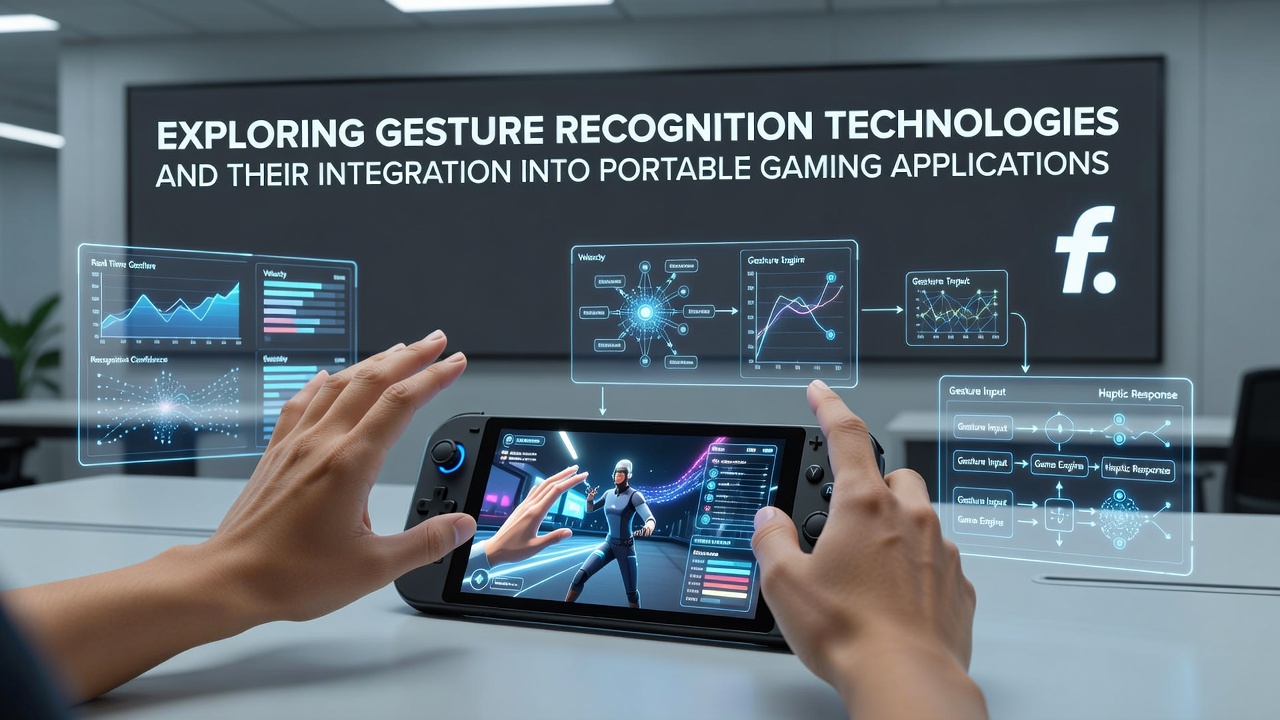
By June 2026 several major portable gaming platforms had released updates incorporating advanced gesture libraries that support collaborative play across multiple devices, enabling remote participants to manipulate shared virtual tables through synchronized hand tracking. European Union-funded projects have contributed open-source toolkits that lower barriers for independent creators experimenting with hybrid physical-digital table activities, and these resources include pre-trained models for common gestures used in strategy and simulation genres. Industry reports highlight increased adoption among educational applications that repurpose table-based mechanics for interactive learning modules in schools and training centers.
Broader Implications for User Experience Design
Designers continue refining how gesture inputs combine with existing touch and voice controls to create seamless hybrid interfaces that adapt to player preferences. Research indicates that users who practice with gesture-enabled versions of table games demonstrate faster mastery of complex rulesets because the motions align more closely with real-world counterparts, according to data compiled by North American gaming research networks. Accessibility features have expanded as well, with options for customizable gesture sensitivity helping individuals with motor impairments participate more fully in digital sessions.
Conclusion
Gesture recognition continues to reshape how portable applications handle table-based gaming activities by translating physical intuition into digital commands with increasing precision. Ongoing refinements in sensor fusion, algorithm efficiency, and cross-platform standards point toward wider availability of these features in consumer devices throughout the remainder of 2026 and beyond. Those tracking developments in human-computer interaction will likely see further examples emerge as both established studios and academic teams release new case studies documenting performance metrics and user adoption patterns across varied geographic markets.