16 May 2026
Examining Volatility Patterns in Slot Mechanics and Their Effects on Session Lengths Within App-Based Gambling
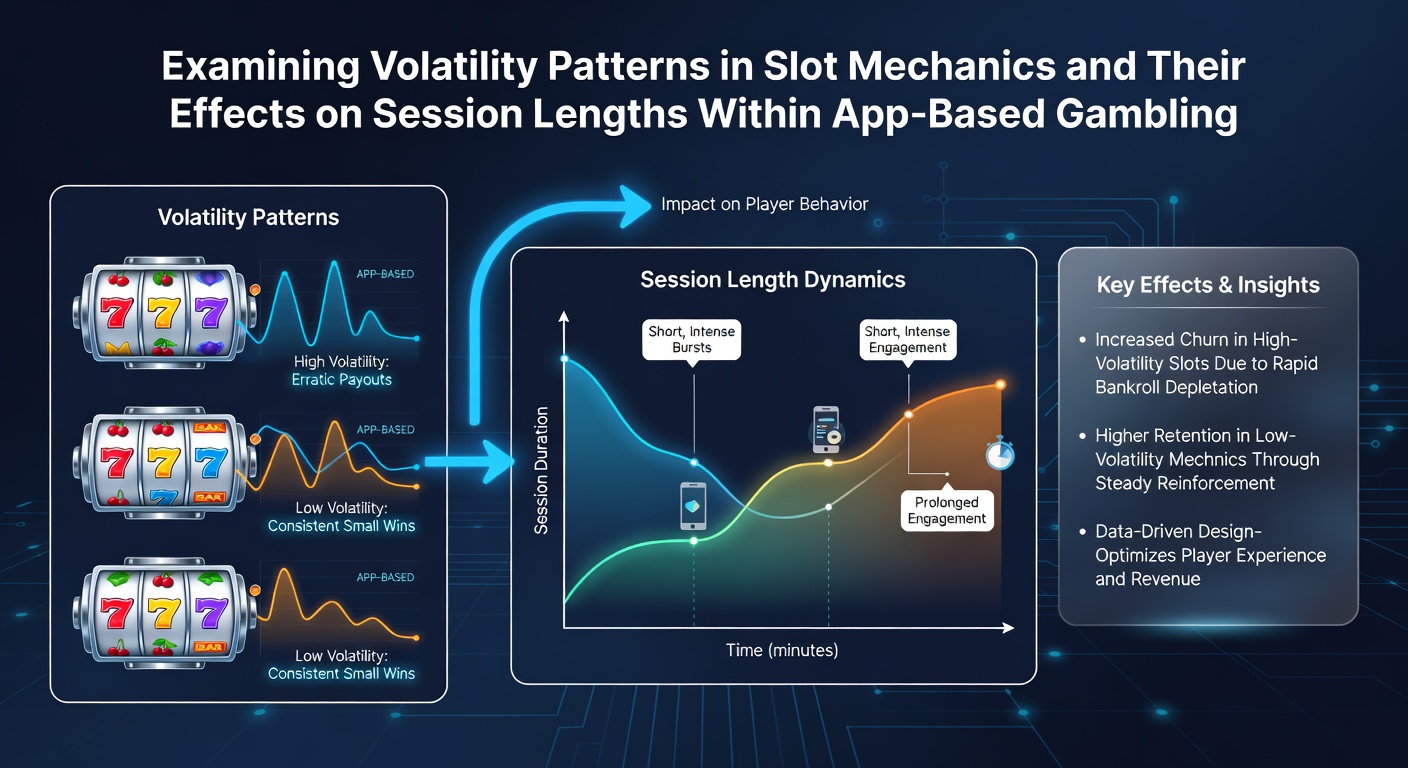
Slot mechanics in app-based gambling environments rely on volatility patterns that determine how frequently wins occur and how large those payouts tend to be, which in turn shapes how long users remain engaged during individual sessions. Low-volatility titles generate smaller but more consistent returns that encourage extended play, whereas high-volatility options deliver infrequent yet substantial rewards that often shorten overall time spent per session. Researchers tracking mobile gambling data through May 2026 note that these mechanics interact directly with user behavior patterns driven by push notifications, quick deposit features, and seamless game switching on smartphones and tablets.
Defining Volatility in Modern Slot Design
Volatility measures the risk level embedded in a slot's payout structure, calculated through hit frequency and return-to-player percentages that developers program into the random number generator algorithms. Games classified as low volatility produce wins roughly every three to five spins, keeping balances stable over longer periods, while medium-volatility titles balance moderate payouts with occasional larger hits that sustain interest without rapid depletion. High-volatility slots, by contrast, may require dozens of spins between wins, yet those infrequent outcomes can multiply stakes by hundreds or thousands according to figures released by the Nevada Gaming Control Board in early 2026 reports. Observers note that app developers adjust these parameters to match device capabilities, such as touch-screen interfaces that allow rapid spin sequences and auto-play functions that accelerate session pacing.
How Volatility Influences Session Duration Data
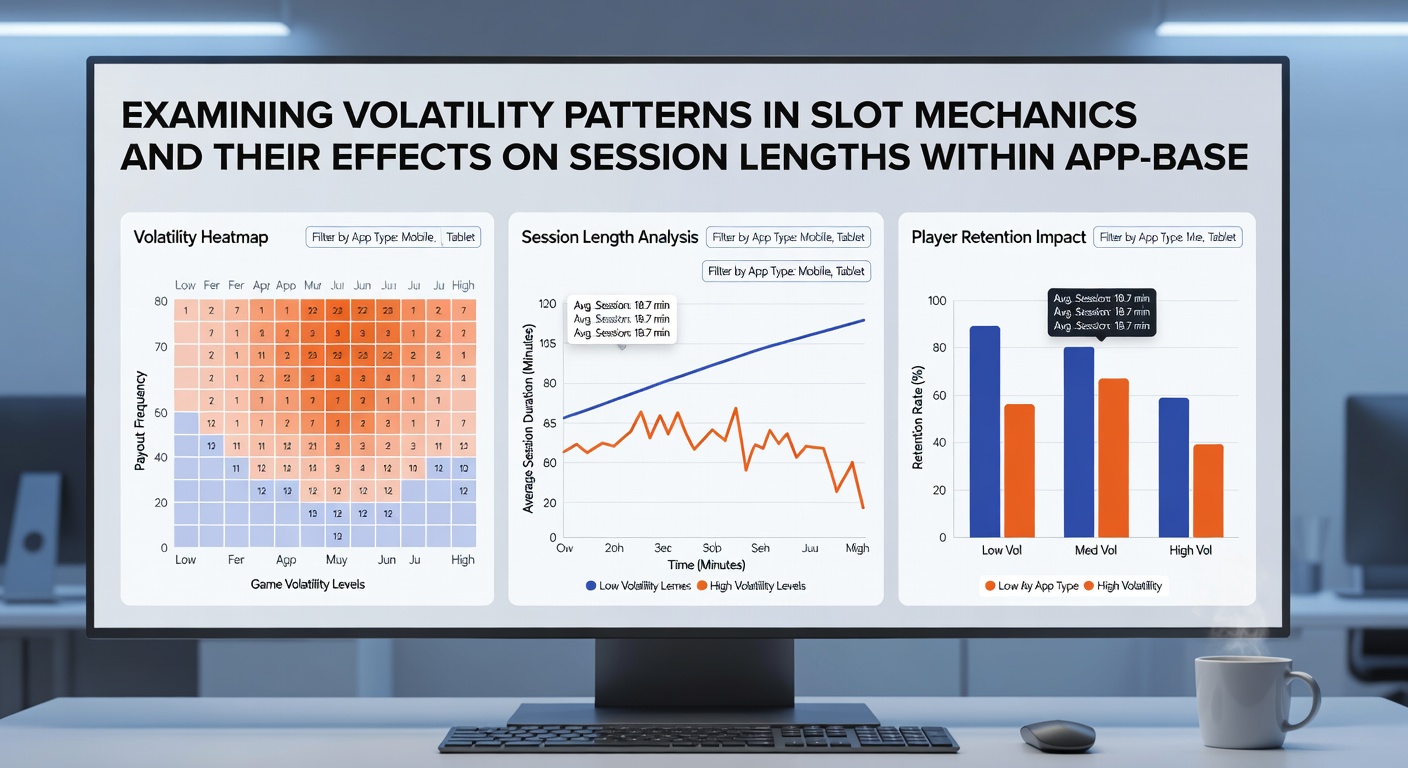
Analysis of aggregated gameplay logs from major app platforms reveals consistent correlations between volatility settings and time spent per session, with low-volatility games averaging twenty-two to thirty-eight minutes compared to nine to fifteen minutes for high-volatility counterparts during the first quarter of 2026. Users often extend sessions on low-volatility titles because frequent small wins trigger dopamine responses that reinforce continued play without immediate financial pressure, whereas high-volatility experiences create sharper win-or-lose cycles that prompt quicker exits after balance drops. Studies compiled by the Australian Institute of Family Studies demonstrate that session length further varies based on bonus round frequency, since features like free spins or multiplier ladders in medium-volatility games can extend engagement by an additional eight to twelve minutes when triggered early. App-based environments amplify these effects through background music cues and visual animations that maintain attention during longer streaks, particularly on devices running iOS and Android operating systems optimized for uninterrupted play.
Platform-Specific Factors in App-Based Gambling
Mobile applications incorporate design elements that interact with volatility patterns, including one-tap betting controls and real-time balance displays that allow players to monitor outcomes without interrupting spin sequences. Data collected across European markets shows that sessions on high-volatility slots shorten further when apps integrate social features such as leaderboards or shared jackpot progress, because users shift focus to competitive elements rather than prolonged individual play. In contrast, low-volatility games benefit from loyalty programs that award incremental points for every spin, encouraging users to maintain longer sessions to unlock tiered rewards. As of May 2026, several platforms introduced adaptive volatility toggles that let users preview expected session lengths before committing funds, a development driven by regulatory requirements in jurisdictions like those overseen by the New Jersey Division of Gaming Enforcement. These tools provide estimated play times derived from historical data, helping align user expectations with the mechanical realities of each title.
Regional Trends and Regulatory Context Through 2026
Market reports from Canadian provincial regulators indicate that app-based slot sessions in Ontario averaged eighteen minutes overall during April 2026, with low-volatility titles accounting for the upper range of that distribution while high-volatility games clustered at the lower end. Regulatory frameworks in these regions require operators to disclose volatility classifications within game information panels, enabling users to select experiences that match their preferred session lengths. Similar transparency measures appear in Australian state licensing conditions, where operators must publish average session duration statistics derived from anonymized player data. These disclosures highlight how volatility interacts with time-of-day patterns, as evening sessions on low-volatility slots extend by an average of seven minutes compared to daytime play according to aggregated telemetry from multiple platforms. Developers respond by calibrating reel configurations and payline densities to fine-tune these outcomes without altering core mathematical models.
Conclusion
Volatility patterns embedded in slot mechanics continue to shape session lengths across app-based gambling platforms through measurable interactions with payout frequency, bonus structures, and device-specific features. Data gathered through May 2026 confirms that low-volatility designs promote longer engagement while high-volatility options compress play periods, with regional regulations increasingly mandating disclosure of these dynamics to support informed user choices. Continued monitoring by industry bodies and academic researchers will track how evolving app technologies further modify these established relationships in coming periods.