15 Jun 2026
Decoding How Behavioral Data Loops Influence Progressive Jackpot Triggers in Cross-Border Digital Reel Networks
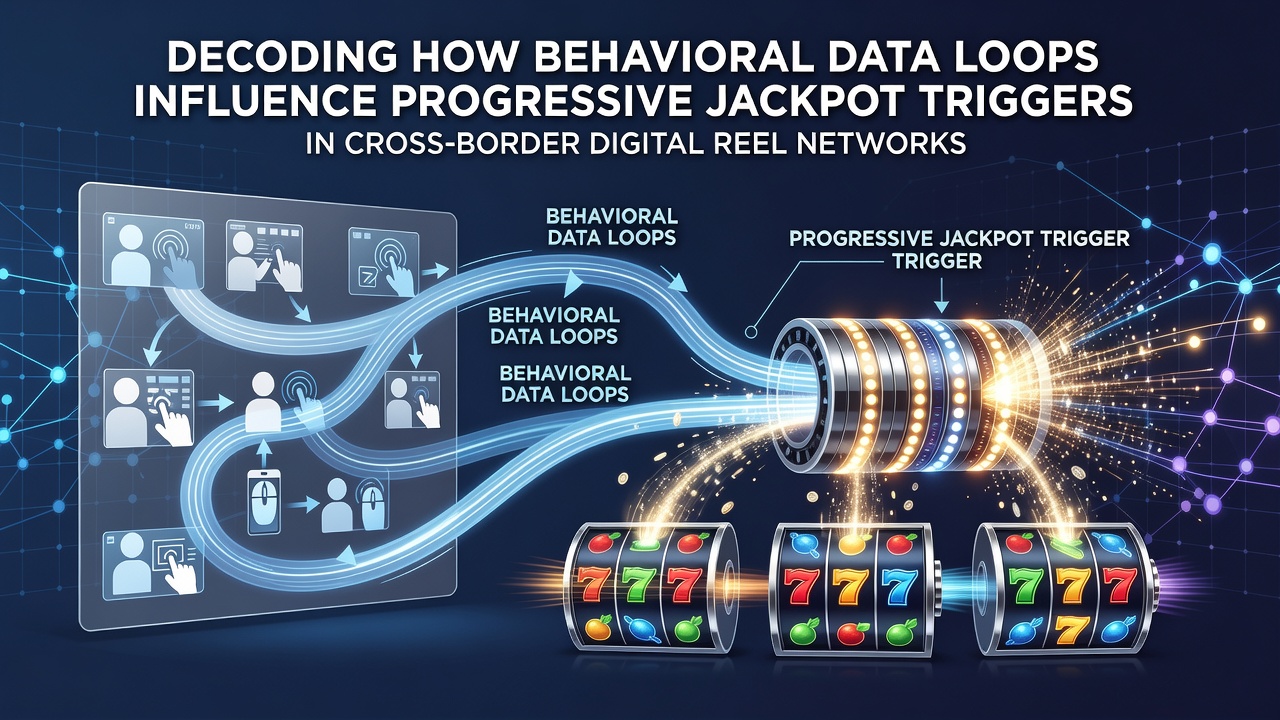
Digital reel networks operate through interconnected platforms that span multiple jurisdictions, and behavioral data loops form the core mechanism that shapes progressive jackpot activation across these borders. Systems gather player actions in real time, including bet frequency, session duration, and wager adjustments, then feed this information back into algorithmic models that determine trigger thresholds for shared prize pools. Research from the University of Nevada Reno gaming analytics program indicates that these loops create feedback cycles where aggregated patterns from one region can shift payout probabilities in another within milliseconds of data transmission.
Data Collection and Loop Formation in Reel Platforms
Operators deploy tracking modules that log every spin outcome alongside contextual variables such as time of day and device type, creating closed loops that refine future trigger calculations. When players increase bet sizes after smaller wins, the system records these sequences and adjusts the progressive meter contribution rates accordingly, often across servers located in different countries. In June 2026, several networks updated their data pipelines to comply with emerging cross-border verification standards, allowing faster synchronization of behavioral metrics without violating local storage rules.
These loops operate continuously, and analysts note that patterns emerging from high-volume sessions in one market can accelerate or delay jackpot triggers for users elsewhere because the shared pool relies on unified random number generators modulated by behavioral inputs. The result appears in the form of clustered activations during peak activity periods, where data from thousands of concurrent sessions converges on a single probability model.
Cross-Border Network Architecture and Trigger Synchronization
Progressive systems link multiple digital reel titles through centralized controllers that aggregate contributions from participating sites, yet each jurisdiction imposes distinct rules on how behavioral data may influence those controllers. Malta Gaming Authority guidelines require explicit separation between player profiling and jackpot logic, which forces networks to anonymize certain metrics before they reach the trigger algorithm. This separation creates distinct loop speeds, where some regions process behavioral signals in under two seconds while others introduce deliberate delays to meet regulatory review periods.
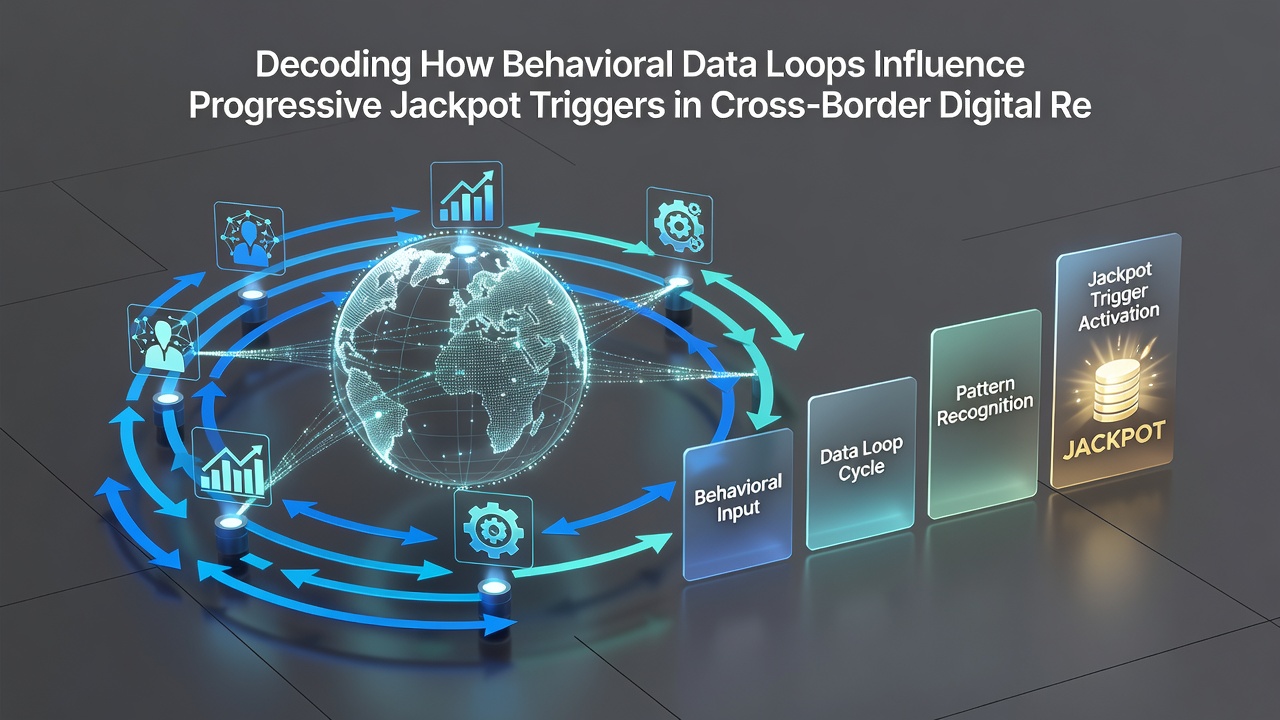
Engineers design the synchronization layer to reconcile these differences through weighted averaging, so a spike in extended play sessions recorded in one market can still nudge the global trigger without directly exposing individual player profiles. Observers have documented cases where networks adjusted contribution percentages after detecting behavioral clusters that correlated with unusually rapid meter growth, and those adjustments propagated across borders within the same operational day.
Algorithmic Modulation Through Behavioral Inputs
Trigger algorithms incorporate behavioral variables as secondary modifiers rather than primary randomizers, and this distinction matters because it keeps outcomes within certified randomness parameters while allowing data loops to shape timing distributions. When session length data shows sustained play above a defined threshold, the system may elevate the likelihood of a progressive event occurring in the next set of spins across linked titles. Figures from the Nevada Gaming Control Board annual technology review reveal that such modulation accounts for measurable shifts in jackpot distribution curves, particularly in networks that pool contributions from both European and North American operators.
Cross-border data flows introduce additional complexity because latency and regulatory filters alter how quickly behavioral signals reach the central model. Networks mitigate this by maintaining regional shadow models that pre-process data before forwarding anonymized summaries, which preserves loop integrity without breaching jurisdictional boundaries.
Regulatory and Technical Constraints on Data Influence
Regulators in multiple jurisdictions require independent audits of any behavioral data that touches jackpot logic, and these audits verify that the loops do not override certified random number generators. In practice, this means operators must demonstrate that behavioral inputs only scale contribution rates or timing windows rather than dictate exact outcomes. The technical architecture therefore embeds multiple checkpoints where data is hashed and logged before it influences the progressive meter.
Those checkpoints also enable networks to isolate regional behavioral trends, so operators can identify when activity in one market begins to skew global trigger statistics. Adjustments then occur through controlled parameter updates rather than direct overrides, maintaining compliance across all participating jurisdictions.
Conclusion
Behavioral data loops continue to evolve within cross-border digital reel networks as operators refine synchronization methods and regulatory frameworks adapt to new data standards. The interaction between player patterns and progressive triggers remains governed by audited algorithms that balance randomness certification with aggregated behavioral signals. Continued monitoring through established oversight bodies ensures these systems operate within defined technical and legal parameters across all connected markets.