11 Jul 2026
Analyzing Session Duration Data Against Loyalty Structures in Browser-Based Card Gaming
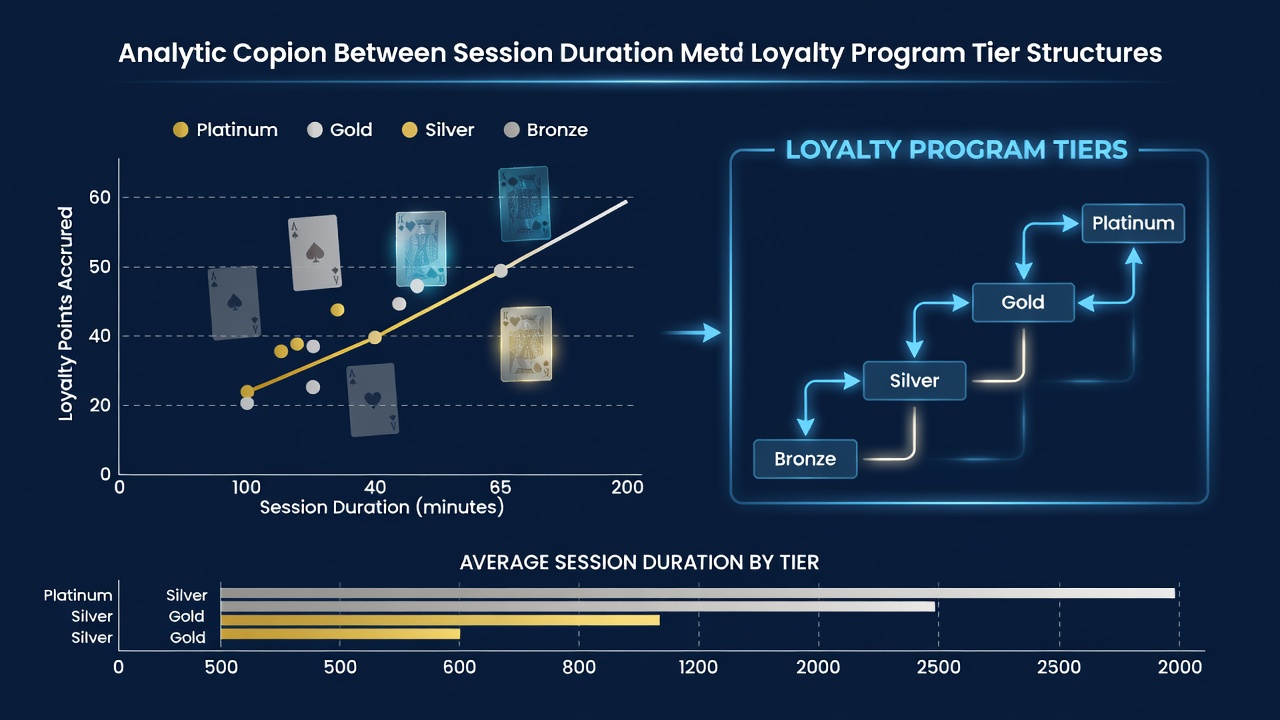
Browser-based card gaming environments collect extensive session duration data that operators cross-reference with loyalty program structures to identify engagement patterns. These platforms track time spent per login, frequency of returns, and progression through reward tiers in games such as blackjack, poker, and baccarat delivered through standard web browsers. Researchers at institutions including the University of Nevada, Reno have examined how point accumulation rates and tiered benefits correlate with extended play periods across thousands of user sessions.
Data Collection Methods in Browser Environments
Operators gather session metrics through client-side scripts that log timestamps at login and logout events while respecting browser privacy settings. Loyalty program structures typically include entry-level point systems that advance users into silver, gold, and platinum categories based on cumulative play volume. According to reports from the Nevada Gaming Control Board, average session lengths in browser card rooms increased by 18 percent in the first half of 2026 among accounts enrolled in multi-tier loyalty frameworks.
Session duration data reveals clusters where players who reach mid-tier status maintain connections 22 minutes longer on average than entry-level participants. These patterns emerge because reward structures often grant accelerated point multipliers or exclusive table access after certain thresholds are crossed. Analysts note that browser-based systems allow seamless tracking across devices without app installations, which contributes to consistent data sets for correlation studies.
Correlation Patterns Across Loyalty Tiers
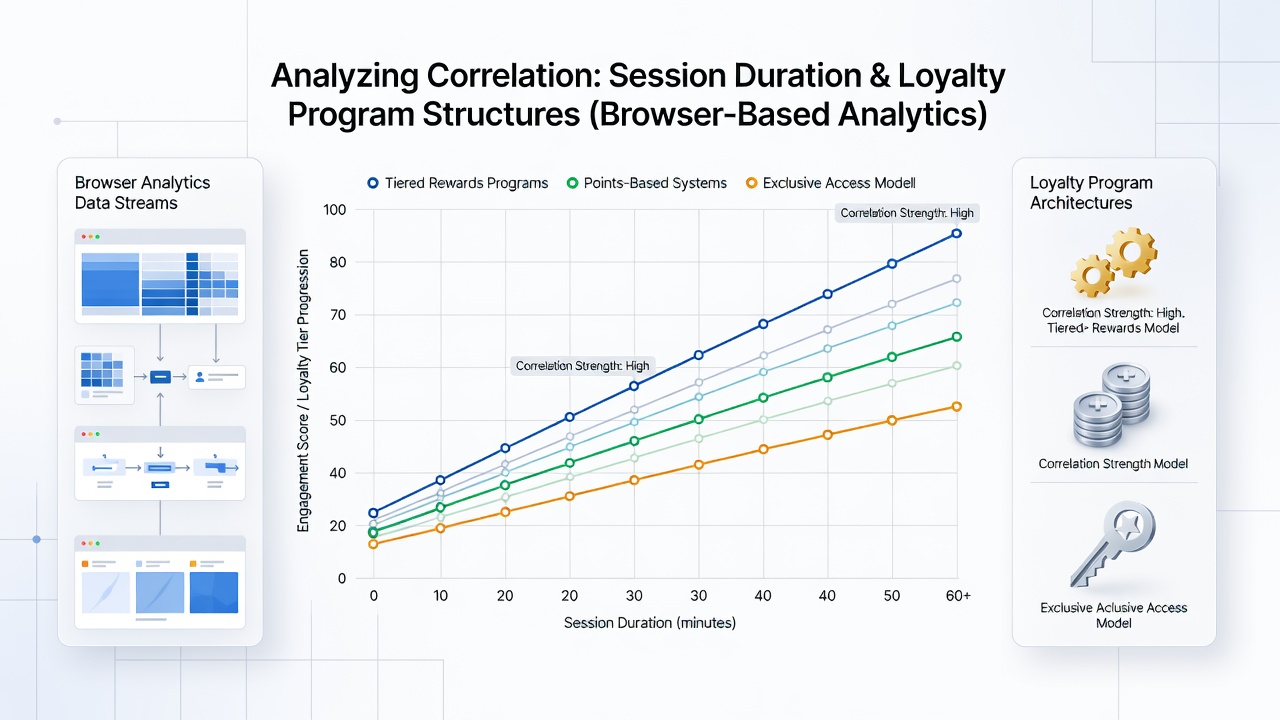
Statistical reviews show positive associations between loyalty tier advancement and session length in most browser card environments. Players who receive personalized bonus offers tied to their current tier tend to extend sessions by completing additional hands before logging off. Data compiled by the Canadian Gaming Association indicates that gold-tier members in browser poker rooms logged sessions averaging 47 minutes during July 2026 compared with 31 minutes for non-tiered users.
Key variables examined in these analyses include:
- Point earning velocity per hand played
- Redemption thresholds for free play credits
- Time-limited challenges that reset monthly
- Cross-game progression that carries over between blackjack and poker tables
Browser environments facilitate rapid updates to loyalty rules, allowing operators to test how changes in reward density affect session metrics within days rather than weeks. One dataset from European operators revealed that introducing tier-specific rake rebates extended average session times by 14 percent among platinum users while showing minimal impact on lower tiers.
Regional Variations and Regulatory Influences
North American browser card platforms demonstrate stronger correlations between loyalty structures and session duration than some Asian markets where regulatory limits on reward frequency apply. Figures released by the Australian Communications and Media Authority in mid-2026 highlighted that loyalty programs offering instant cashback credits produced session extensions of up to 27 minutes when compared with programs requiring accumulated points for redemption.
Operators adjust loyalty mechanics based on these regional data sets to maintain compliance while optimizing engagement. Browser-based systems provide granular visibility into drop-off points where users exit before reaching the next tier, enabling targeted adjustments such as reduced point requirements during promotional windows. Research from the National Council on Problem Gambling has documented how certain tier structures align with prolonged sessions without crossing into excessive play indicators tracked by responsible gaming tools.
Technical Factors Shaping the Relationship
Browser performance and network stability influence how loyalty program elements translate into measurable session duration. Platforms that preload loyalty dashboards and offer one-click reward claims reduce friction that might otherwise shorten sessions. Data from multiple operators shows that users who interact with loyalty progress meters mid-session extend their time by an average of nine minutes across poker and blackjack variants.
Integration of real-time notifications about tier advancement further reinforces these patterns. When a browser session displays a progress bar approaching the next reward level, players frequently continue until the milestone is reached. This behavioral loop appears consistently in aggregated logs from both desktop and mobile browser users.
Conclusion
Session duration data continues to guide refinements in loyalty program structures across browser-based card gaming platforms. Operators rely on these correlations to calibrate point systems, tier benefits, and redemption mechanics while meeting regulatory expectations in multiple jurisdictions. Ongoing analysis through July 2026 and beyond will likely refine how these elements interact as browser technologies and data privacy standards evolve.