24 Aug 2026
Alternative Funding Routes Extending Reel and Table Play in Regulated Mobile Environments
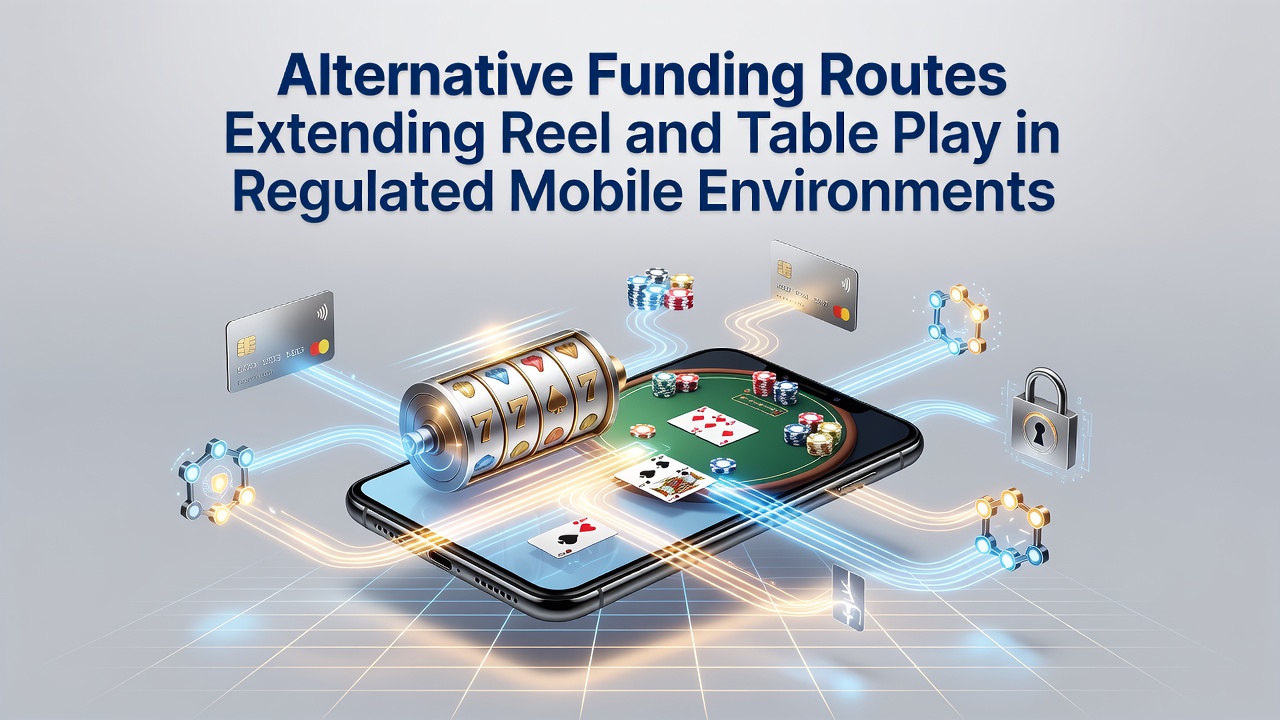
Alternative funding routes have reshaped how players access and sustain reel and table games across regulated mobile platforms in recent years, and data from multiple jurisdictions shows steady adoption of methods that bypass traditional card processing delays. Operators in several markets now integrate instant bank transfers, digital wallets, and prepaid vouchers that activate deposits within seconds, which in turn supports longer continuous play windows without repeated interruptions for funding verification.
Regulators in North America and parts of Europe have updated compliance frameworks that permit these routes while maintaining strict anti-money laundering checks, and reports indicate that mobile session durations increased by measurable margins once seamless funding became standard. August 2026 saw several state-level gaming commissions release updated guidelines that explicitly address cross-border wallet compatibility, allowing operators to expand their payment portfolios without violating local licensing terms.
Core Mechanisms Driving Extended Mobile Sessions
Instant bank transfers through systems like ACH push and open banking APIs connect directly to player accounts, which removes the multi-hour holds common with older card processors, and this speed lets users move from deposit to active reels or live tables without leaving the app interface. Digital wallets such as PayPal, Skrill, and regional equivalents add another layer by storing verified balances that transfer in real time, and operators report that these options now account for growing percentages of total mobile deposits in licensed markets.
Prepaid voucher systems and cryptocurrency rails approved in select jurisdictions provide additional flexibility, because they allow players to preload funds anonymously yet still meet identity verification thresholds at the operator level. Research from industry monitoring groups shows that sessions involving table games like blackjack and roulette extend further when funding occurs through these routes, since players avoid the friction of re-entering card details mid-session.
Regulatory Frameworks Supporting Payment Diversity
State and provincial regulators have aligned their rules to accommodate these alternatives while preserving consumer protections, and the American Gaming Association has documented how updated standards in multiple U.S. markets correlate with higher mobile engagement rates. Observers note that verification protocols now often occur at the funding provider level rather than solely at the casino, which streamlines the process and reduces drop-off during deposit stages.
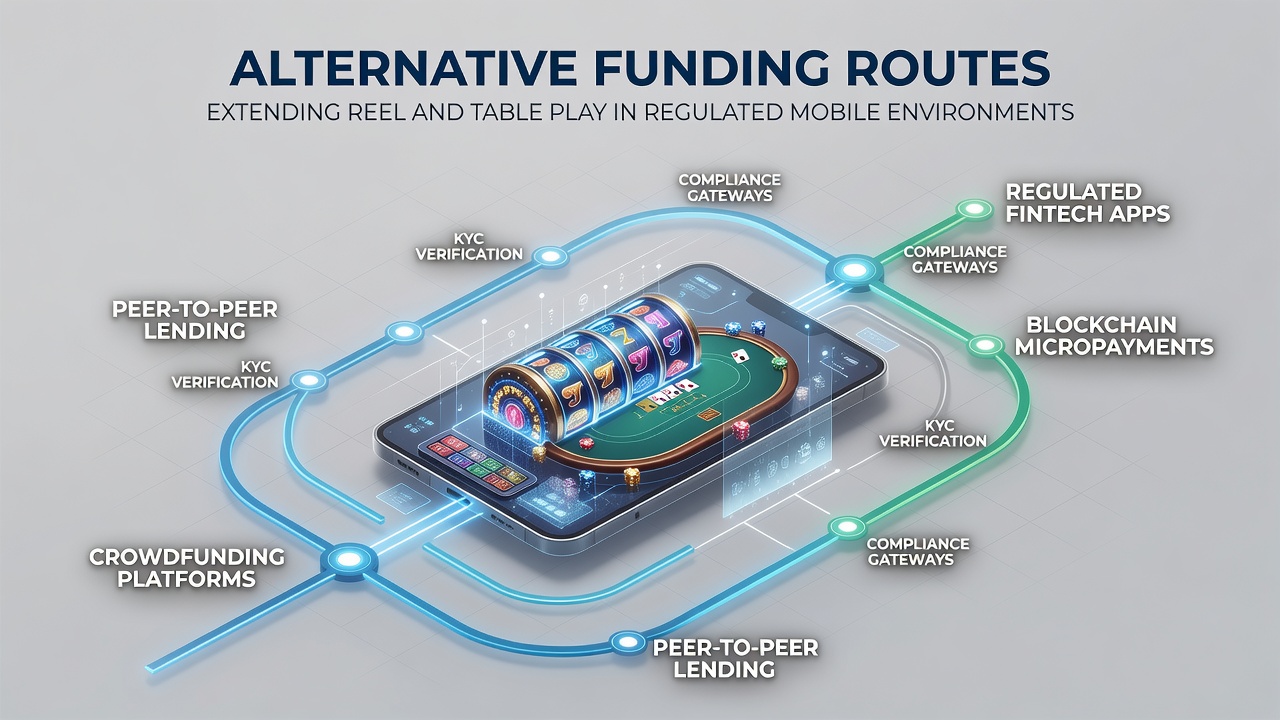
Canadian provinces operating regulated online frameworks have introduced similar provisions that tie approved funding methods to responsible gaming tools, such as deposit limits that apply uniformly across wallets and bank transfers. Data from these programs reveals that players who utilize multiple funding routes tend to maintain steadier play patterns over extended periods, particularly in hybrid environments where reels and tables sit within the same app ecosystem.
Integration Patterns Across Reel and Table Formats
Reel-based games benefit from the rapid top-up capability because bonus rounds and progressive features often reward sustained engagement, and operators have adjusted mobile interfaces to display funding options directly on the game screen without forcing navigation away from the reels. Table game environments, especially live dealer formats, gain similar advantages when players can add chips mid-hand or between rounds using stored wallet balances that settle instantly.
Market analyses indicate that jurisdictions permitting crypto options alongside traditional wallets see the widest spread of session lengths, while those restricting to bank-linked methods still outperform older card-only systems. External transaction monitoring from sources such as the American Gaming Association tracks these shifts and shows consistent correlation between payment speed and total handle generated on mobile channels.
Cross-Border Considerations and Emerging Standards
Operators serving multiple regulated markets must navigate varying rules on which funding routes qualify for bonus eligibility, and August 2026 updates from several European authorities clarified how e-wallet deposits interact with wagering requirements in cross-border scenarios. Australian regulatory bodies have likewise published guidance that ties approved payment providers to mandatory responsible gambling messaging displayed at the point of deposit.
Those who've examined transaction logs across platforms find that players frequently combine two or three funding routes within a single session, switching between a primary wallet for initial deposits and secondary instant transfers for mid-session extensions. This behavior appears most pronounced in apps that aggregate both reel and table content under unified account balances.
Conclusion
Alternative funding routes continue to influence how regulated mobile environments support extended reel and table play, with data from multiple oversight bodies confirming measurable impacts on session continuity and deposit frequency. As regulators refine their approaches and operators integrate new providers, the infrastructure supporting these options evolves to meet both commercial and compliance demands across regions. Continued monitoring of transaction patterns will likely shape future adjustments to funding rules and player experience standards.